
Essential details
Quantity(pieces):1
MOQ:1
Lead time:Lead time is subject to confirmation, depends on order quantity and specifications.
Shipping:Express delivery
Product Introduction
Product Information
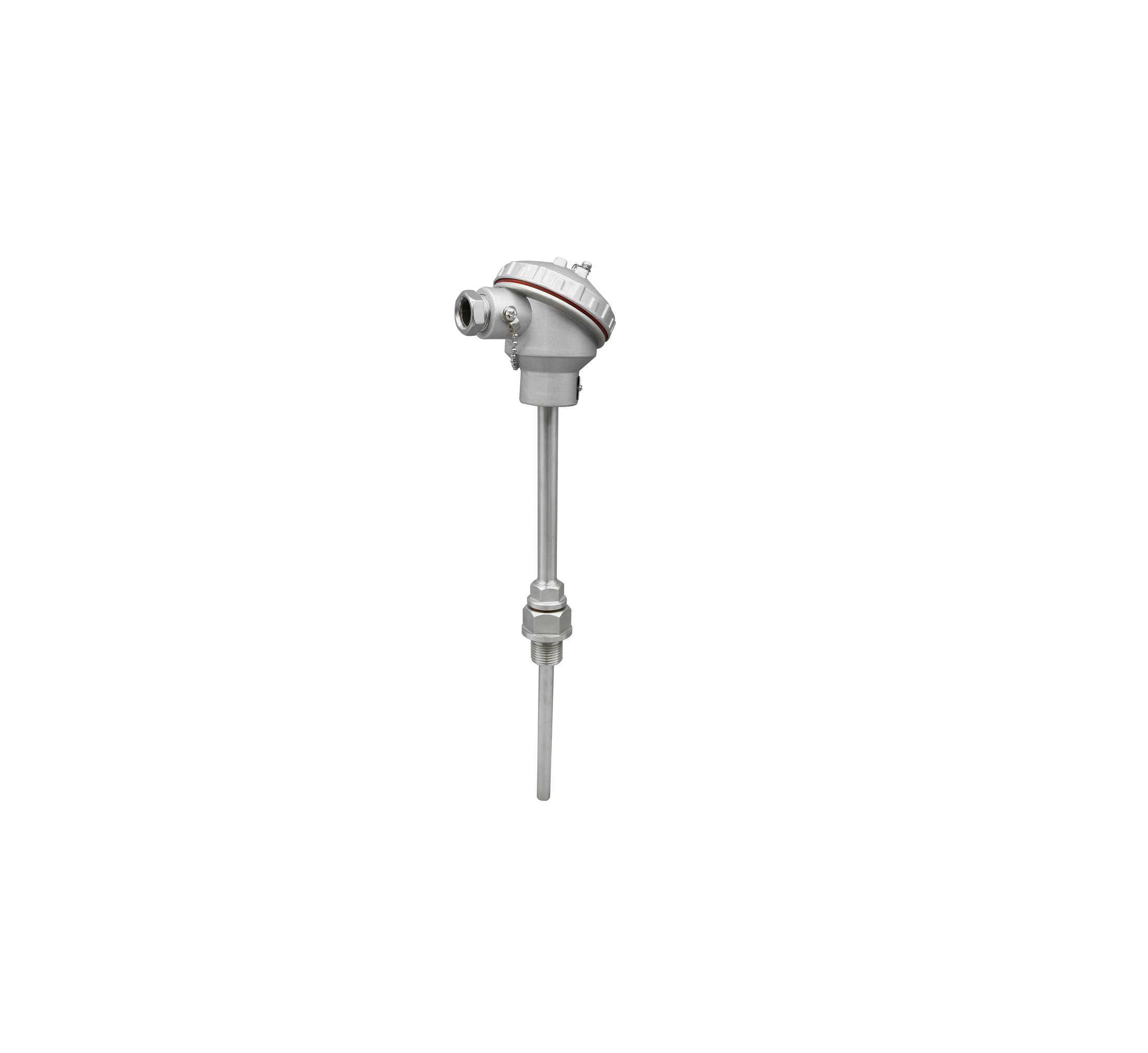
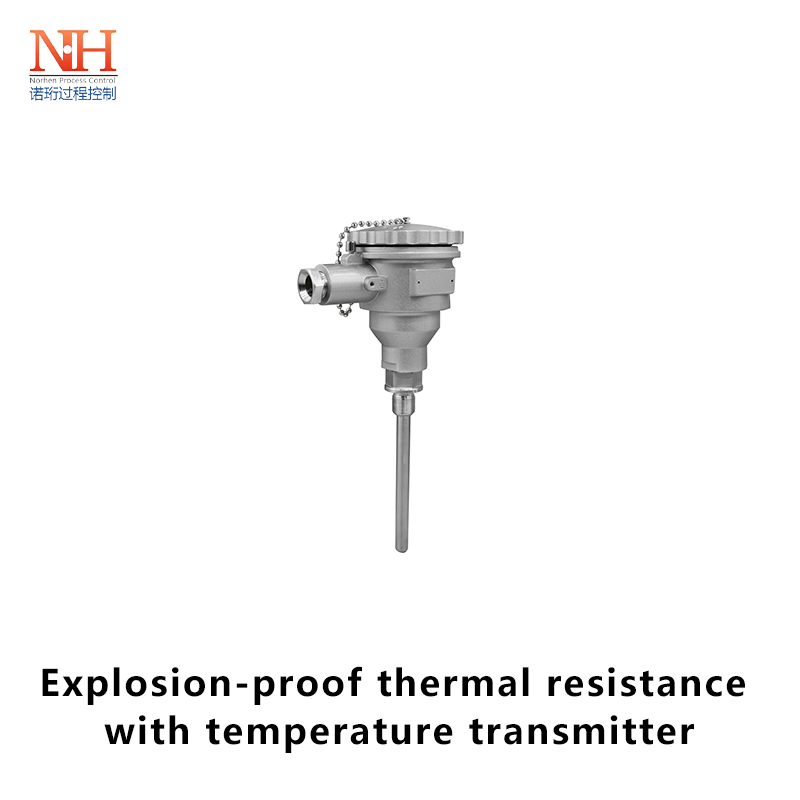
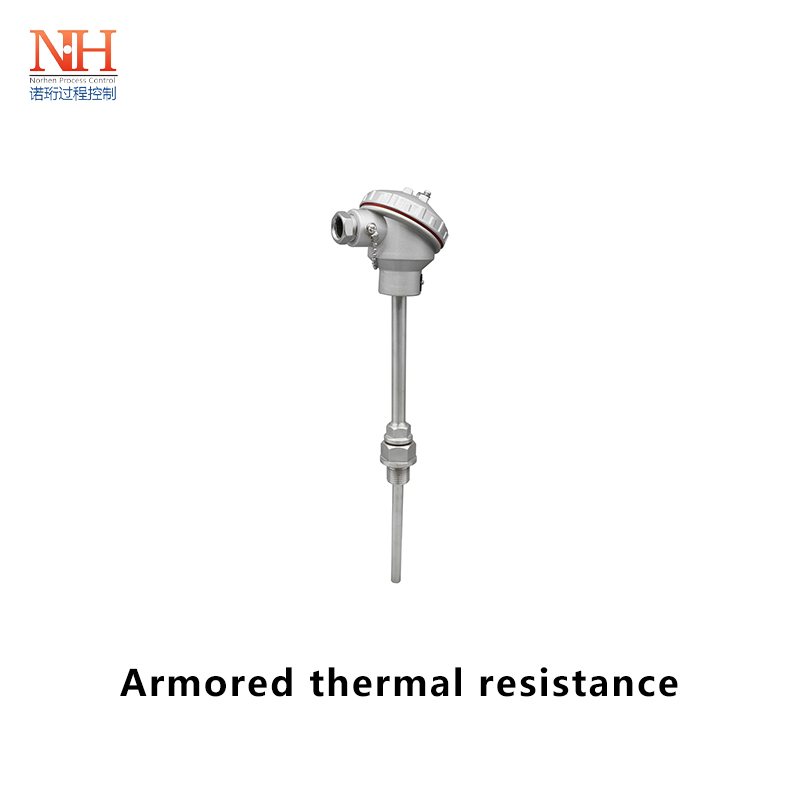
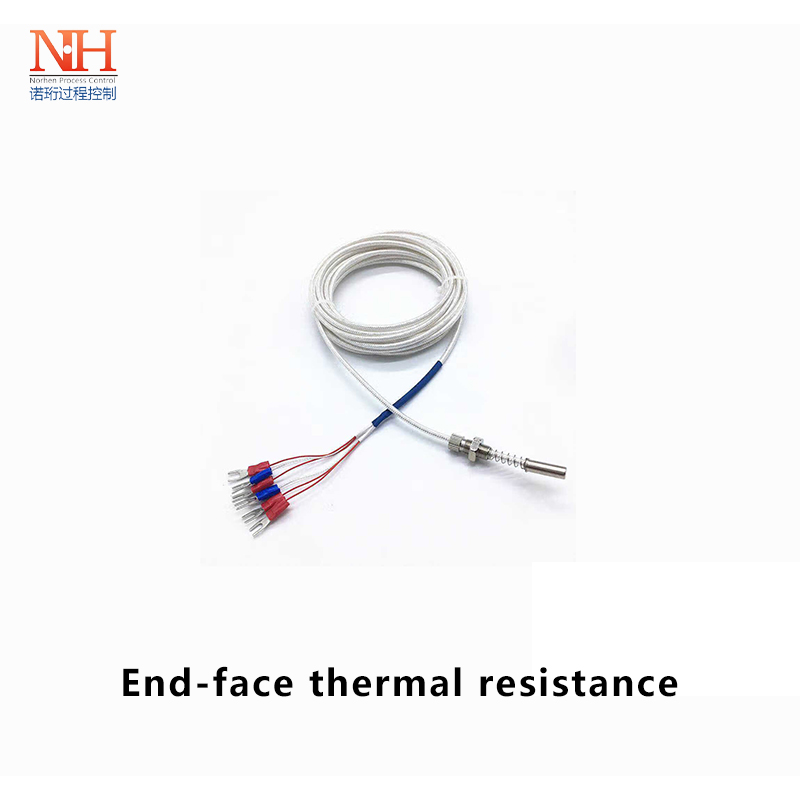
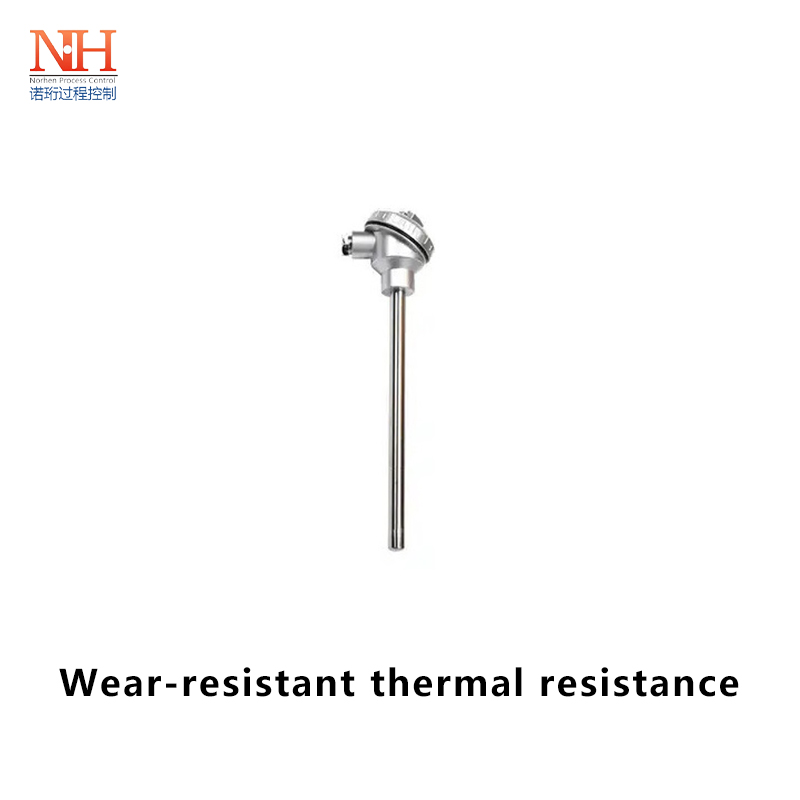
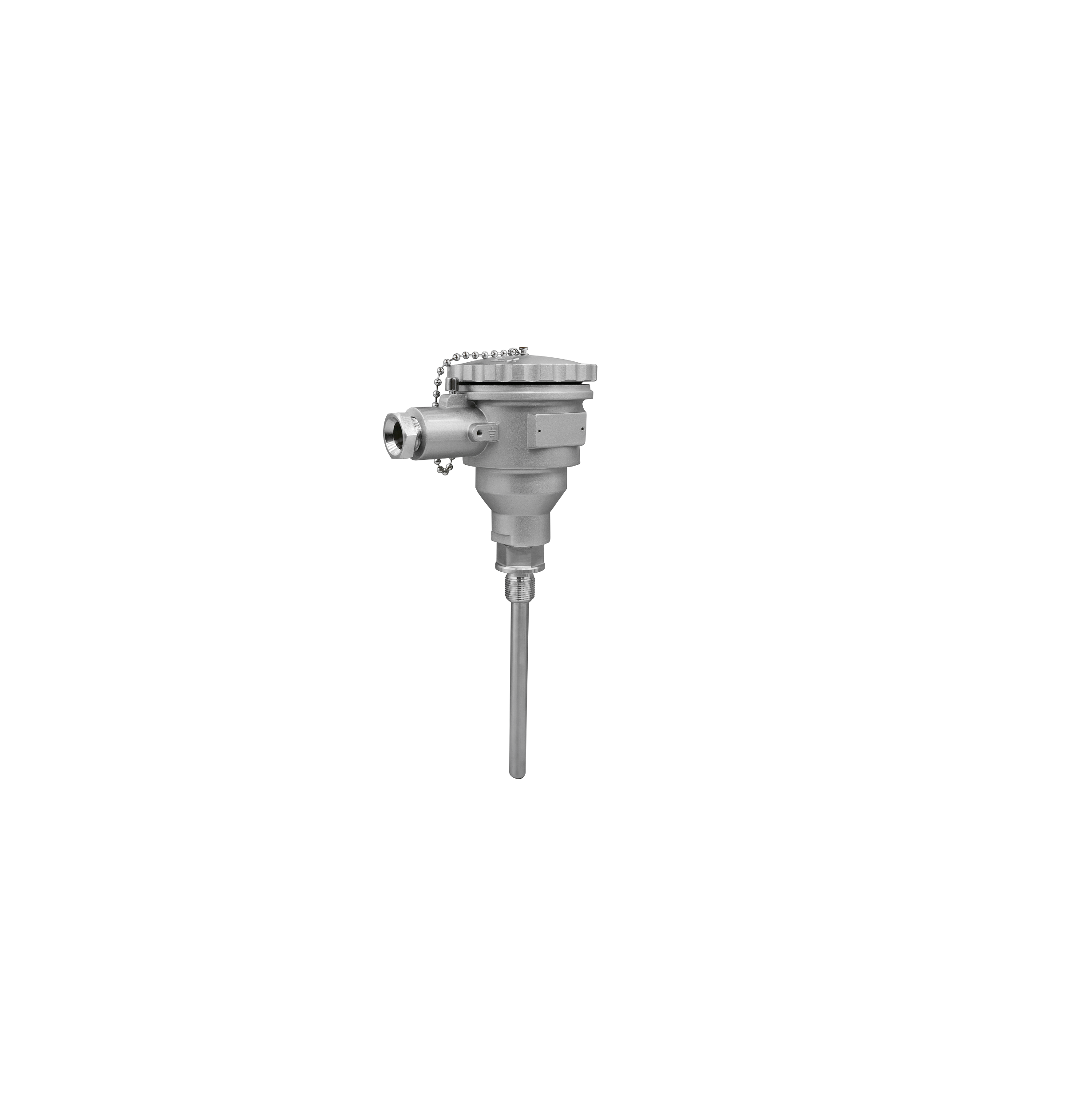
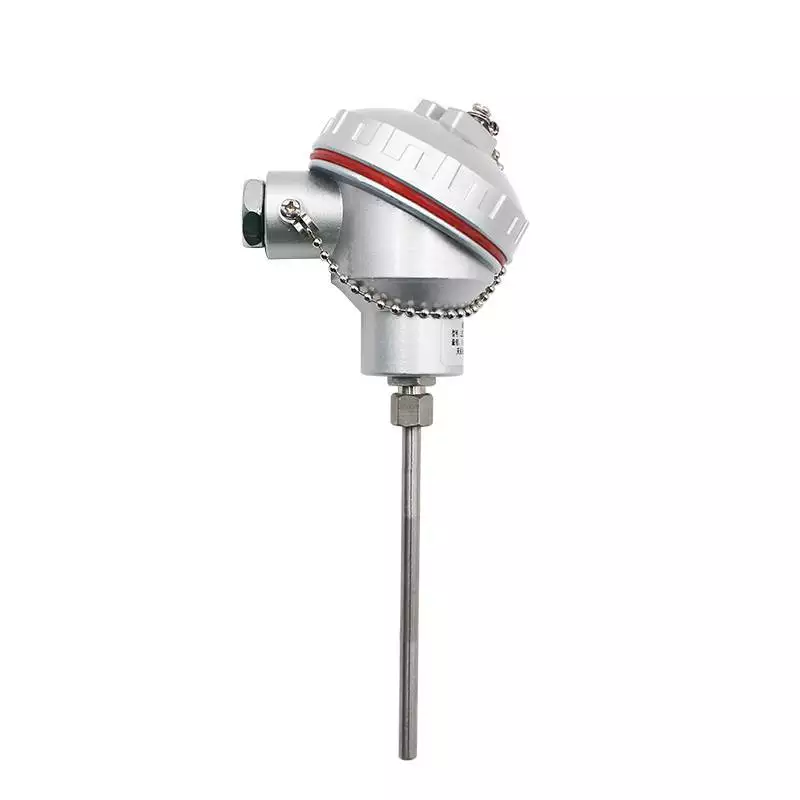
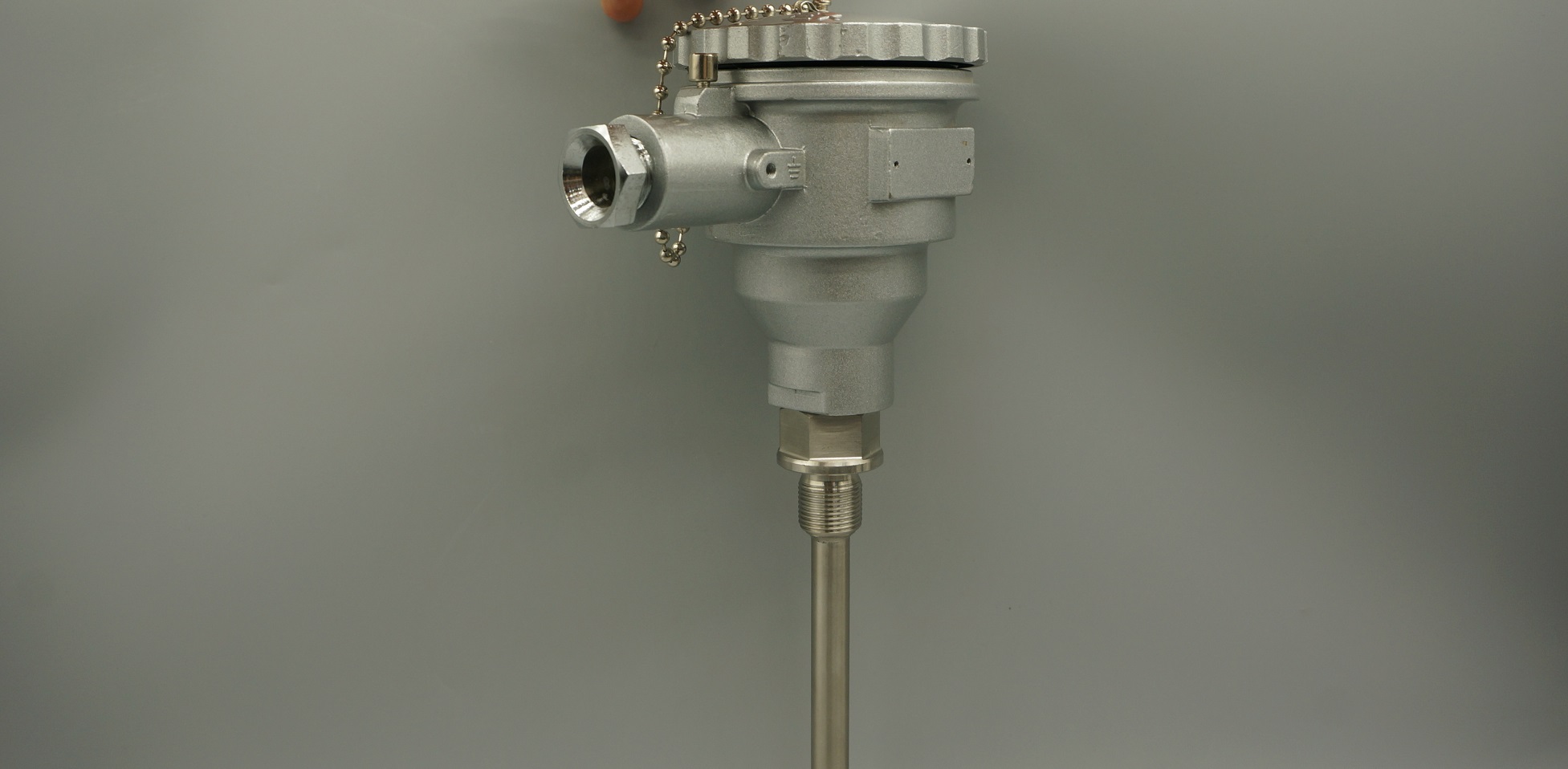
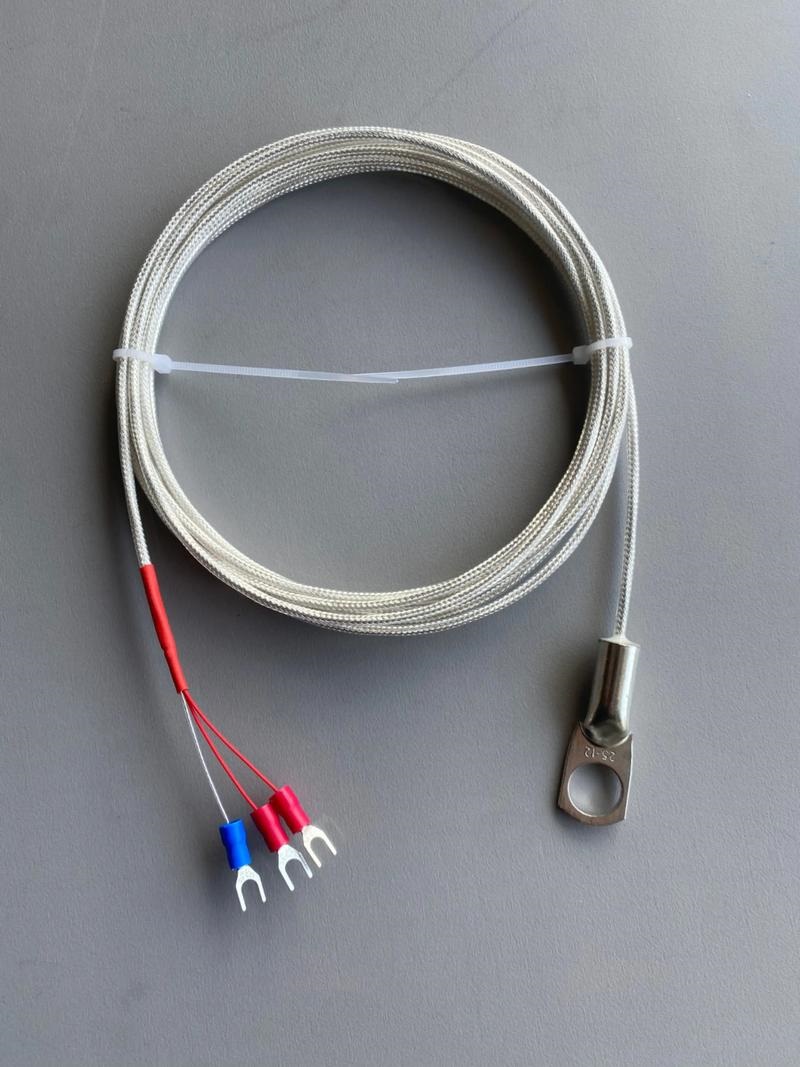
A thermal resistor is a type of temperature sensor that measures temperature by utilizing the characteristic that the resistance of a substance changes along with temperature variations. When the resistance value changes, the working instrument displays the temperature value corresponding to that resistance value. It is smaller in diameter and more flexible than the assembled platinum resistor, and is suitable for installation in narrow pipes and in special situations such as those requiring rapid response, miniaturization, etc.
A thermal resistor is a type of temperature sensor that measures temperature by utilizing the characteristic that the resistance of a substance changes along with temperature variations. When the resistance value changes, the working instrument displays the temperature value corresponding to that resistance value. It is smaller in diameter and more flexible than the assembled platinum resistor, and is suitable for installation in narrow pipes and in special situations such as those requiring rapid response, miniaturization, etc.
Product Application
Thermocouples, as high-precision temperature measurement components, are usually used in conjunction with display instruments (such as digital temperature control instruments), recording instruments (such as paperless recorders), and electronic computers (such as industrial control hosts), forming a complete temperature monitoring system. Their core application is in various industrial production scenarios, capable of accurately measuring the temperatures of various media and object surfaces within the -200℃ to 500℃ temperature range. This includes liquid raw materials in chemical production, steam pipeline media in power systems, gas environments in food processing, and solid surface temperatures of key components of mechanical equipment (such as bearings, furnace walls), and are widely applicable to process control requirements in multiple industries such as petroleum, chemical, power, food, and metallurgy.
Thermocouples, as high-precision temperature measurement components, are usually used in conjunction with display instruments (such as digital temperature control instruments), recording instruments (such as paperless recorders), and electronic computers (such as industrial control hosts), forming a complete temperature monitoring system. Their core application is in various industrial production scenarios, capable of accurately measuring the temperatures of various media and object surfaces within the -200℃ to 500℃ temperature range. This includes liquid raw materials in chemical production, steam pipeline media in power systems, gas environments in food processing, and solid surface temperatures of key components of mechanical equipment (such as bearings, furnace walls), and are widely applicable to process control requirements in multiple industries such as petroleum, chemical, power, food, and metallurgy.
Working Principle
The thermal resistor measures temperature by utilizing the characteristic that the resistance of a substance changes along with temperature variations. When the resistance value changes, the working instrument will display the temperature value corresponding to that resistance value.
The thermal resistor measures temperature by utilizing the characteristic that the resistance of a substance changes along with temperature variations. When the resistance value changes, the working instrument will display the temperature value corresponding to that resistance value.
Product features:
- Short thermal response time, reducing dynamic errors;
- Small diameter, no limit on length;
- High measurement accuracy;
- Imported film resistive elements, with reliable and stable performance;
- Short thermal response time, reducing dynamic errors;
- Small diameter, no limit on length;
- High measurement accuracy;
- Imported film resistive elements, with reliable and stable performance;