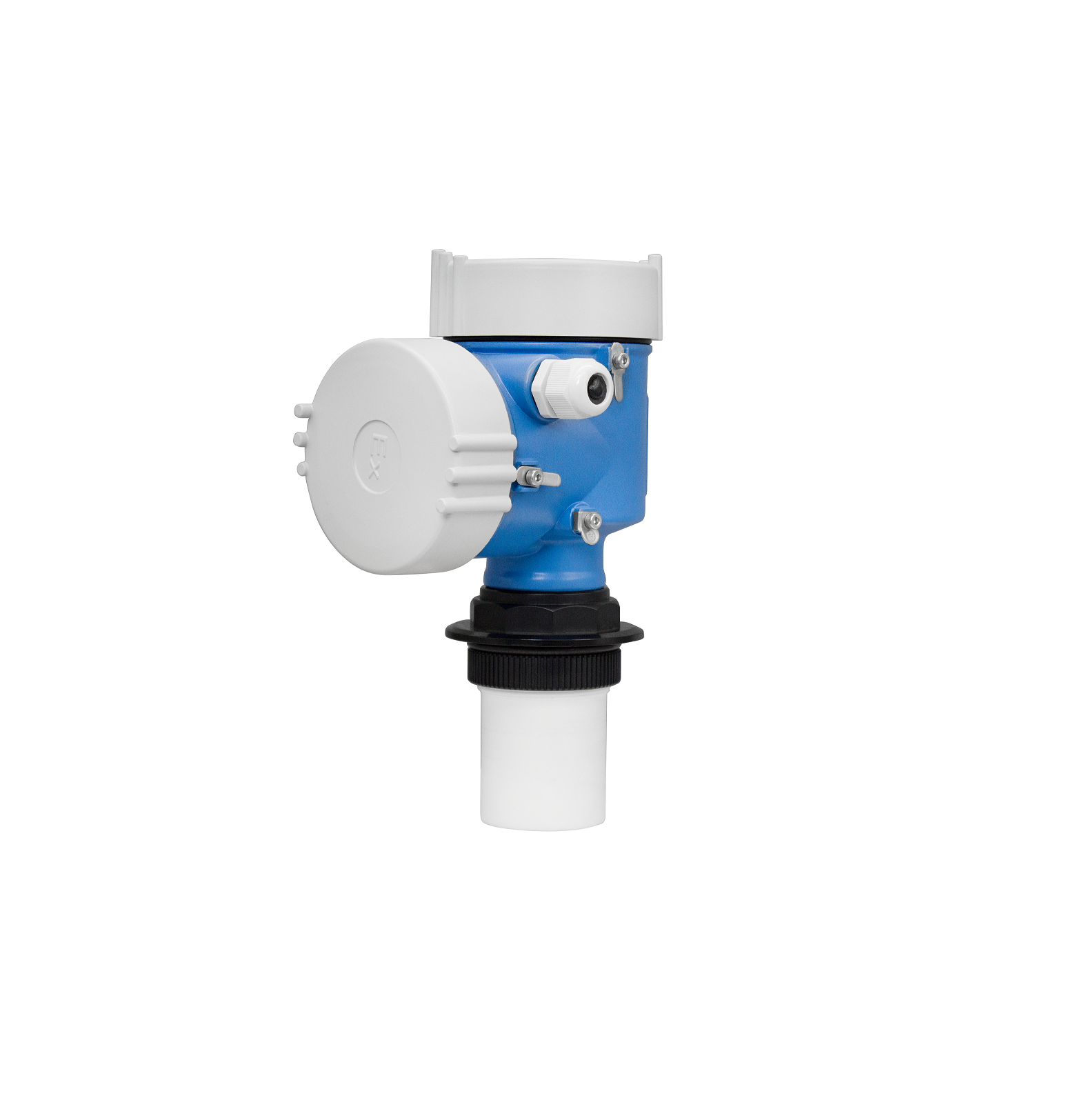
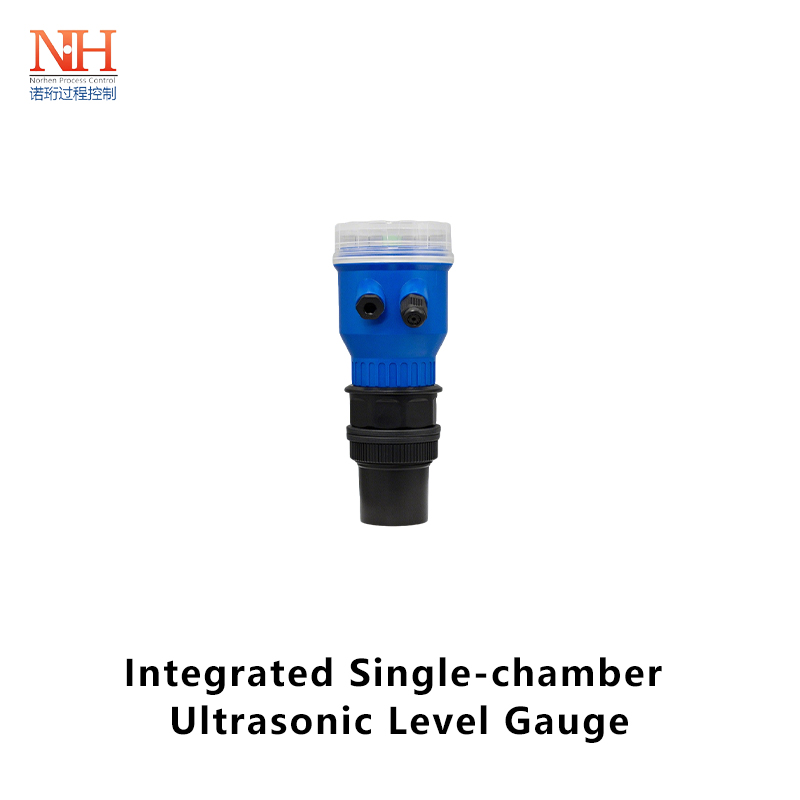
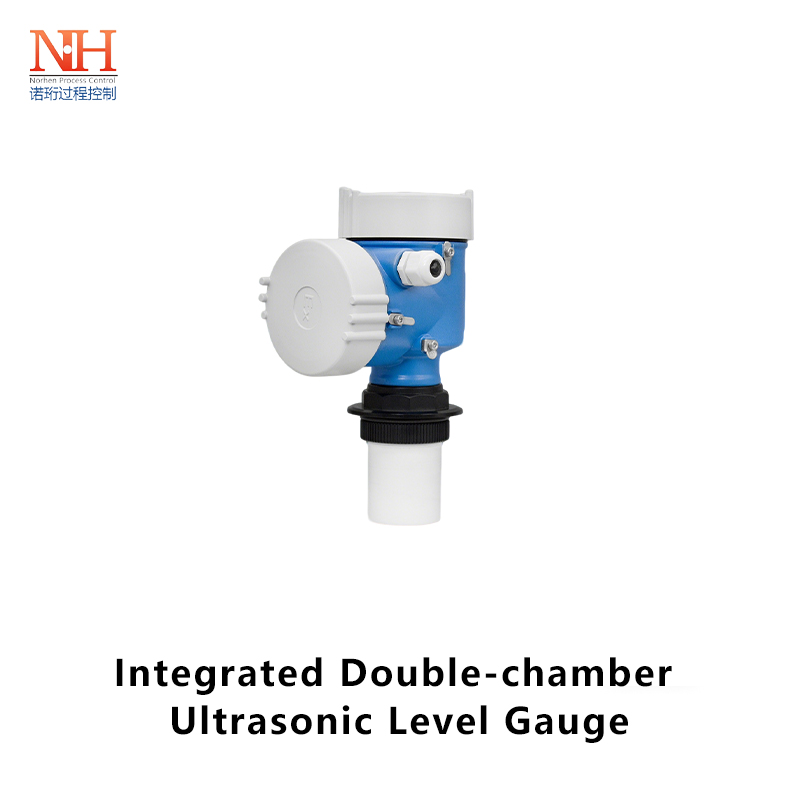
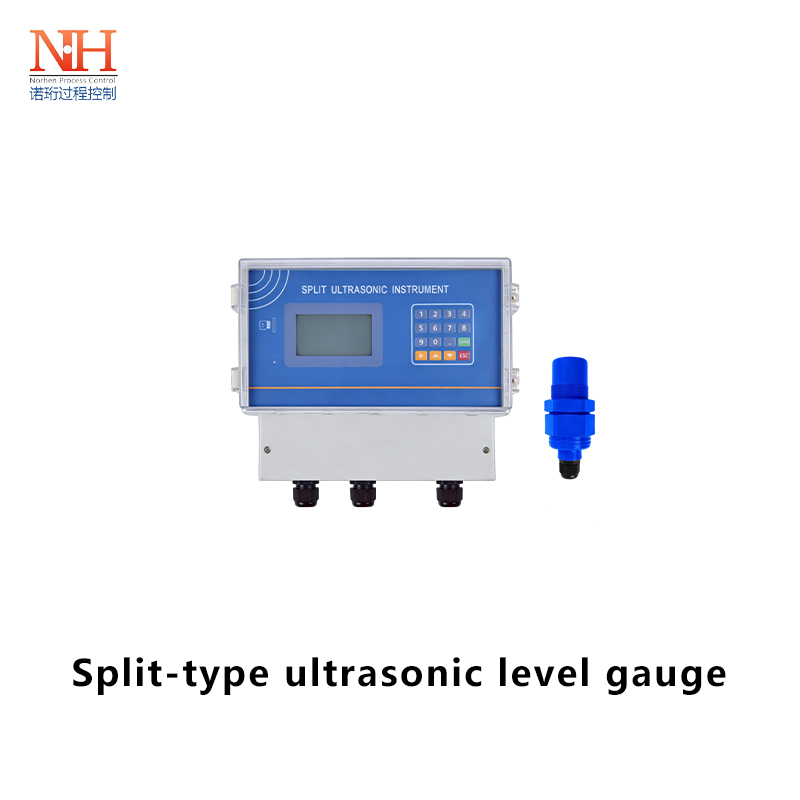
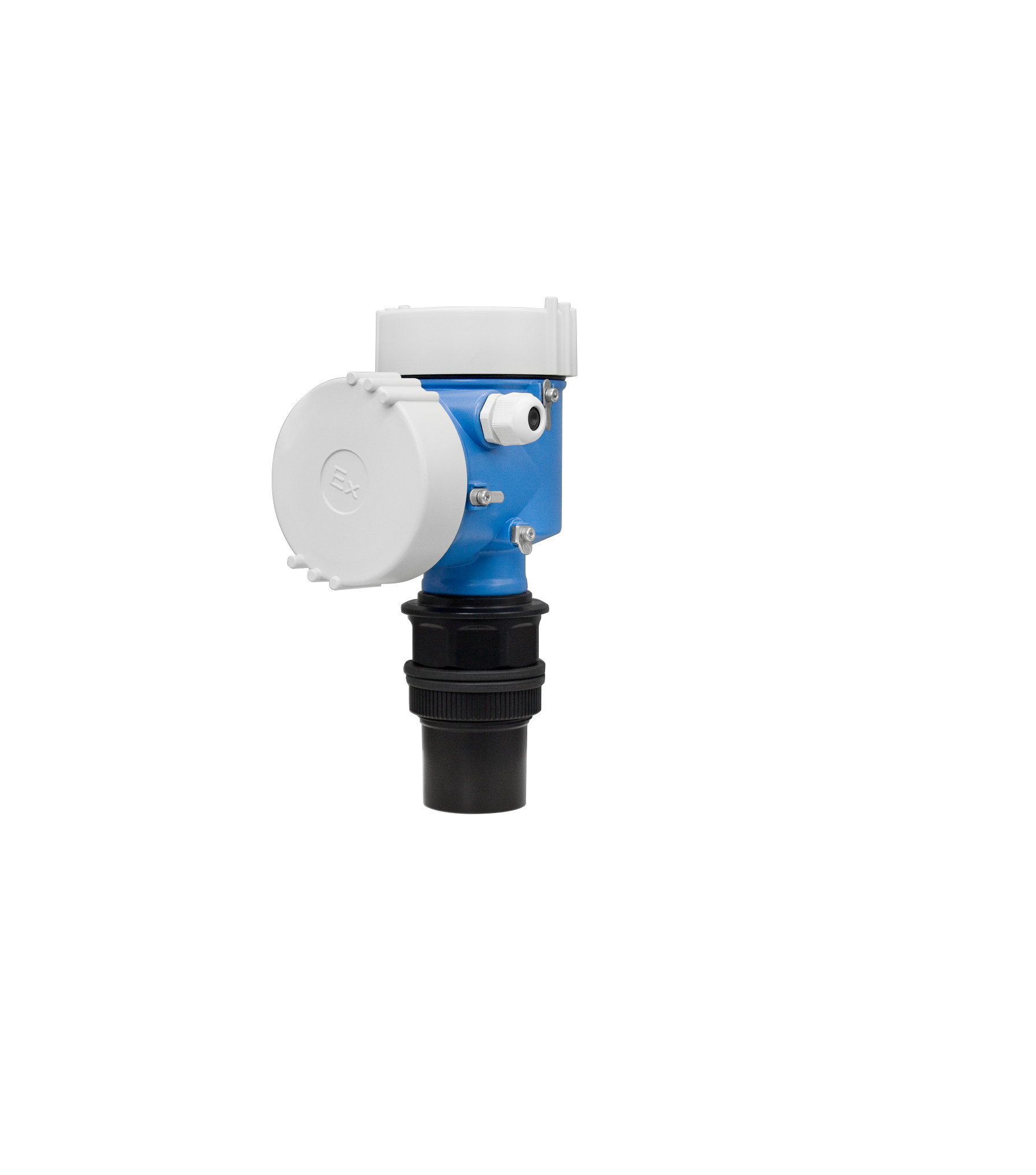
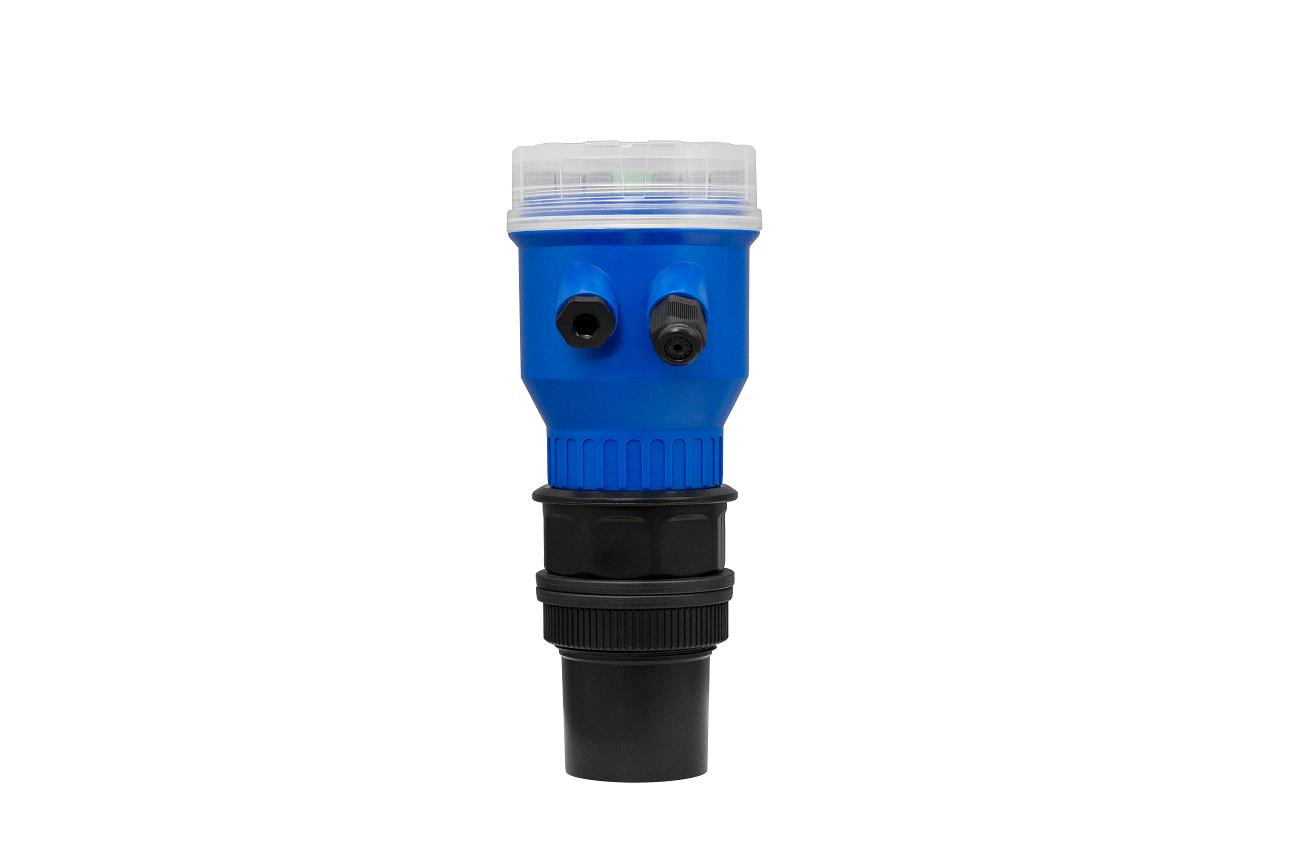
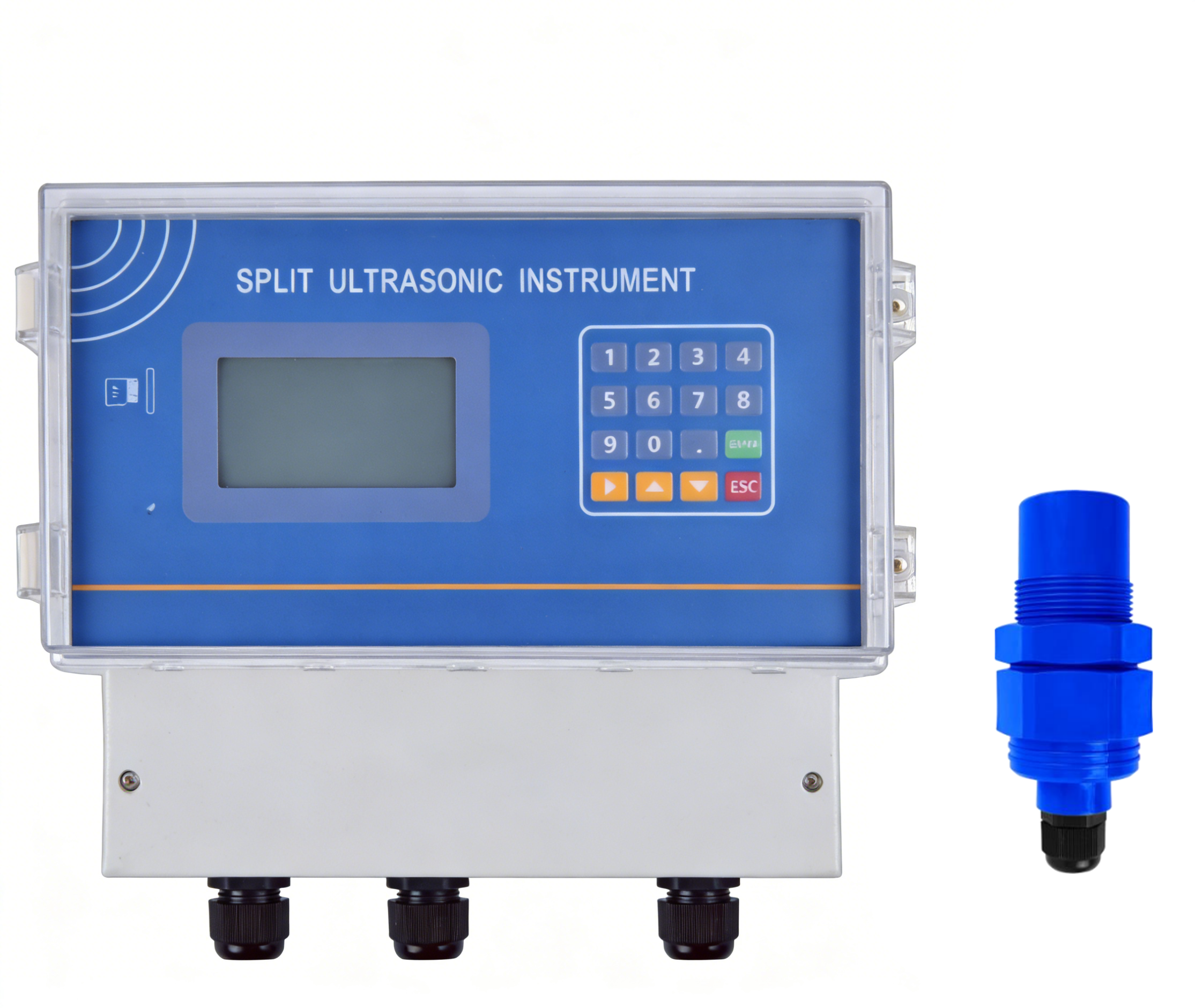

The ultrasonic level meter is an intelligent non-contact instrument for liquid and solid level measurement. It consists of an ultrasonic probe and control host. Adopting modular circuit design with military-grade multi-layer PCB boards, it features compact hardware and reasonable layout. Equipped with a 16-key menu system, it supports isolated 4-20mA output and HART communication. Built-in wireless transmission including GPRS/GPS/4G is available. It has 500,000 data storage slots and supports USB data export. Extra functional modules can be added as customized requests.
Without touching the process medium, it fulfills most liquid and solid level measurement tasks. It overcomes common drawbacks of traditional measuring devices such as tangling, clogging, leakage, medium corrosion and difficult maintenance. Widely used for level monitoring and control in multiple industries.
Functional Features
Non-contact measurement brings no disturbance to measured liquid with reliable accuracy. The probe features low power consumption and simple installation. It is widely adopted in petrochemical, metallurgy, power, pharmaceutical, water supply & drainage and environmental protection industries. It supports historical data logging for hourly, daily, monthly and yearly records with 500,000 storage slots. Four-channel relay output allows easy connection with actuators such as solenoids, pumps and alarms. Multiple probe options are available: standard type (IP65), enhanced moisture-proof type (IP68), anti-corrosion Teflon type. Chinese/English display switchable with 16-key operation and simple menu. Remote transmission modules and customized communication protocols are optional (please specify when ordering).
Measurement Principle
The ultrasonic level meter works based on ultrasonic transmission and reflection. The probe sends ultrasonic pulses toward the medium surface. The pulses are reflected once hitting the liquid surface. The electronic module captures the echo signals. The processor calculates the travel distance by analyzing the time gap between transmitted pulse and echo plus ultrasonic propagation speed, so as to obtain the liquid level.
