

Essential details
Quantity(pieces):1
MOQ:1
Product Introduction
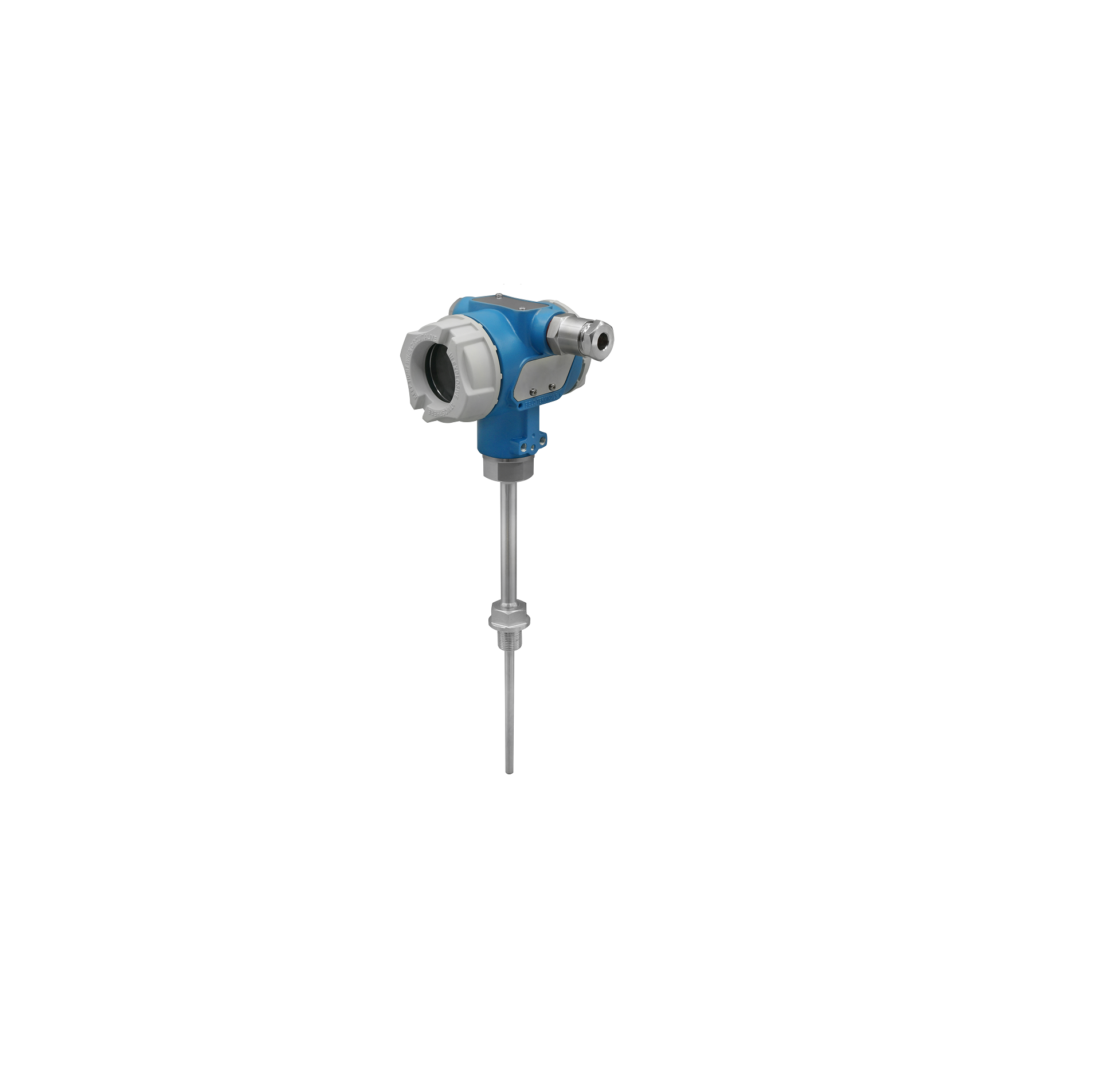
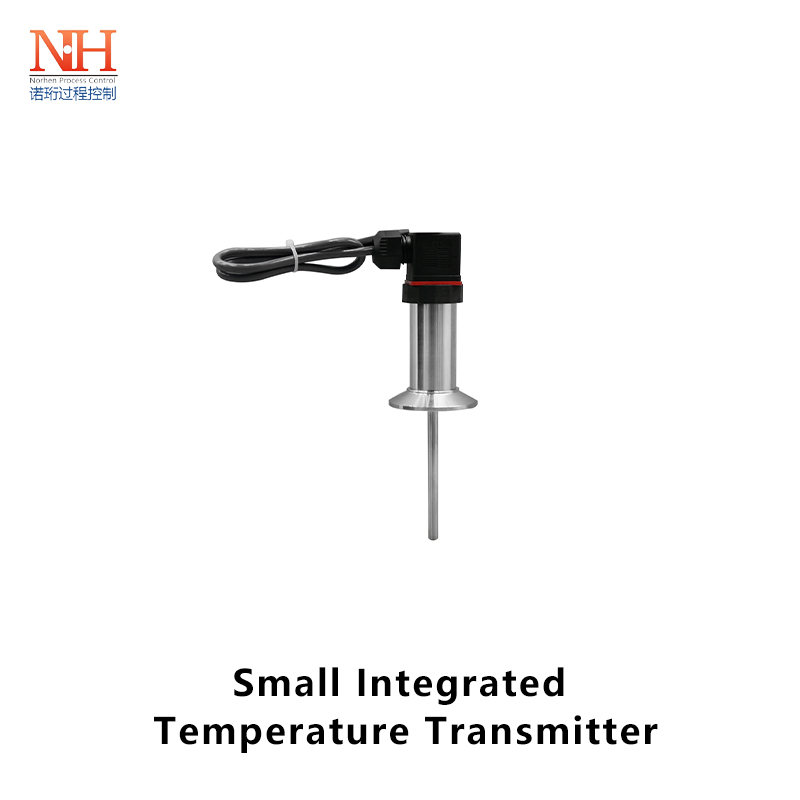
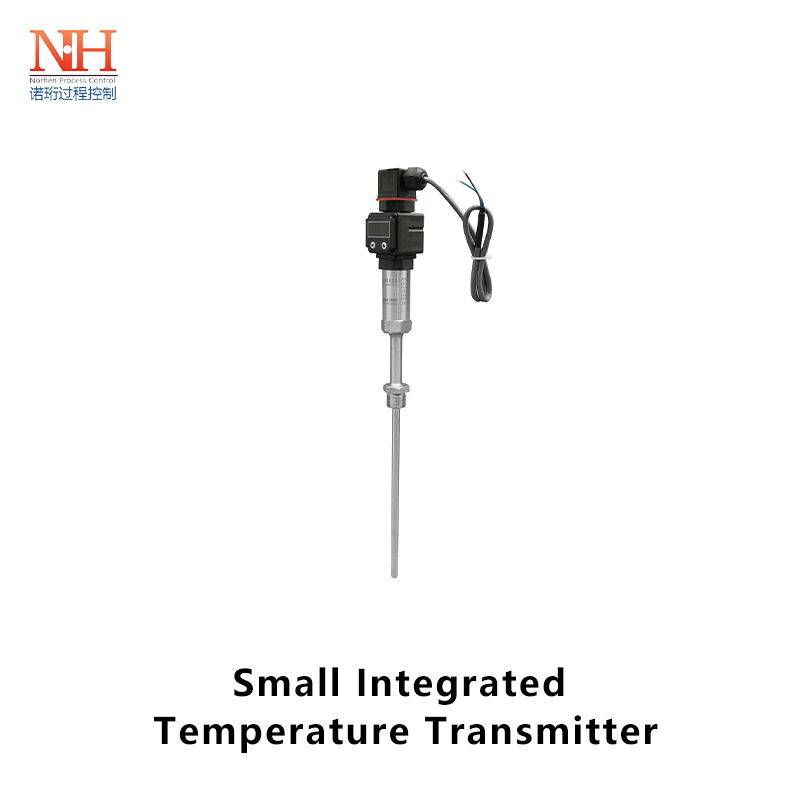
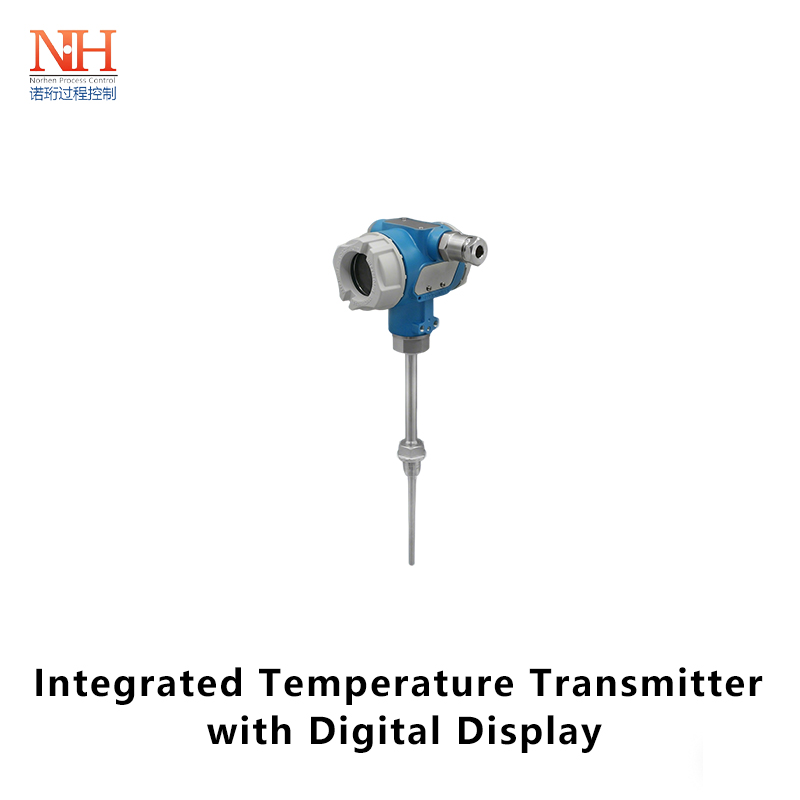
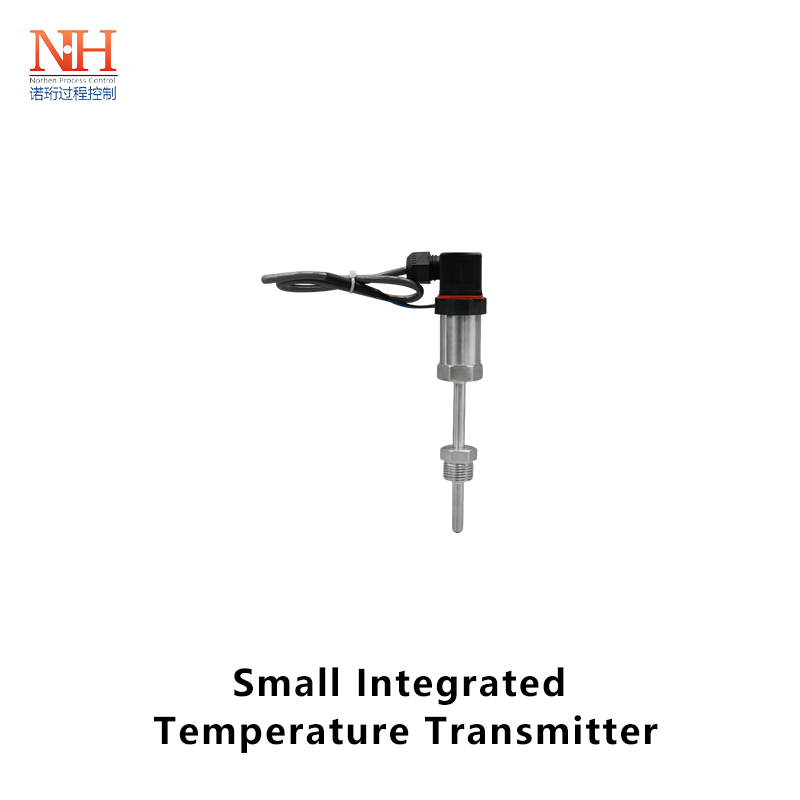
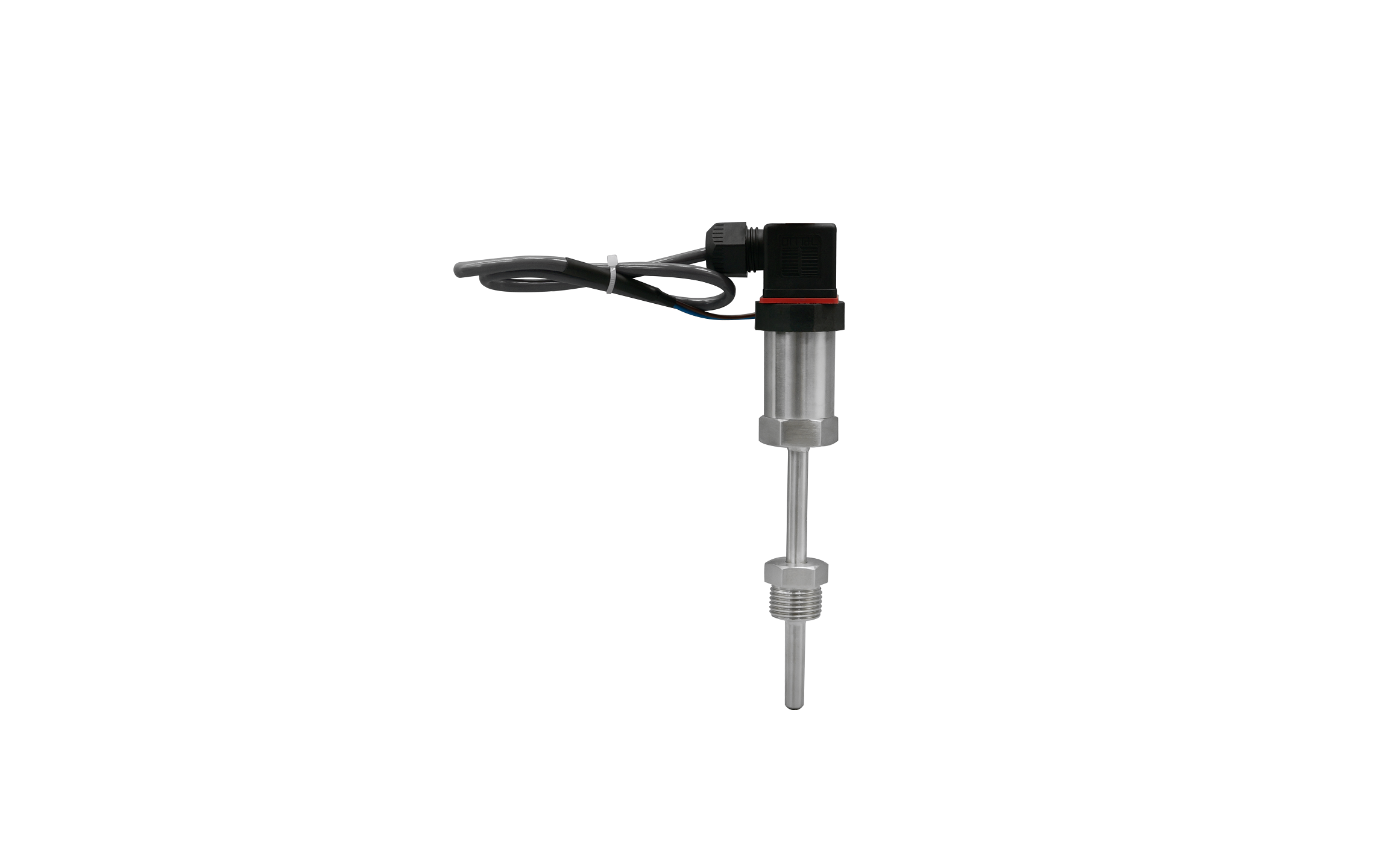
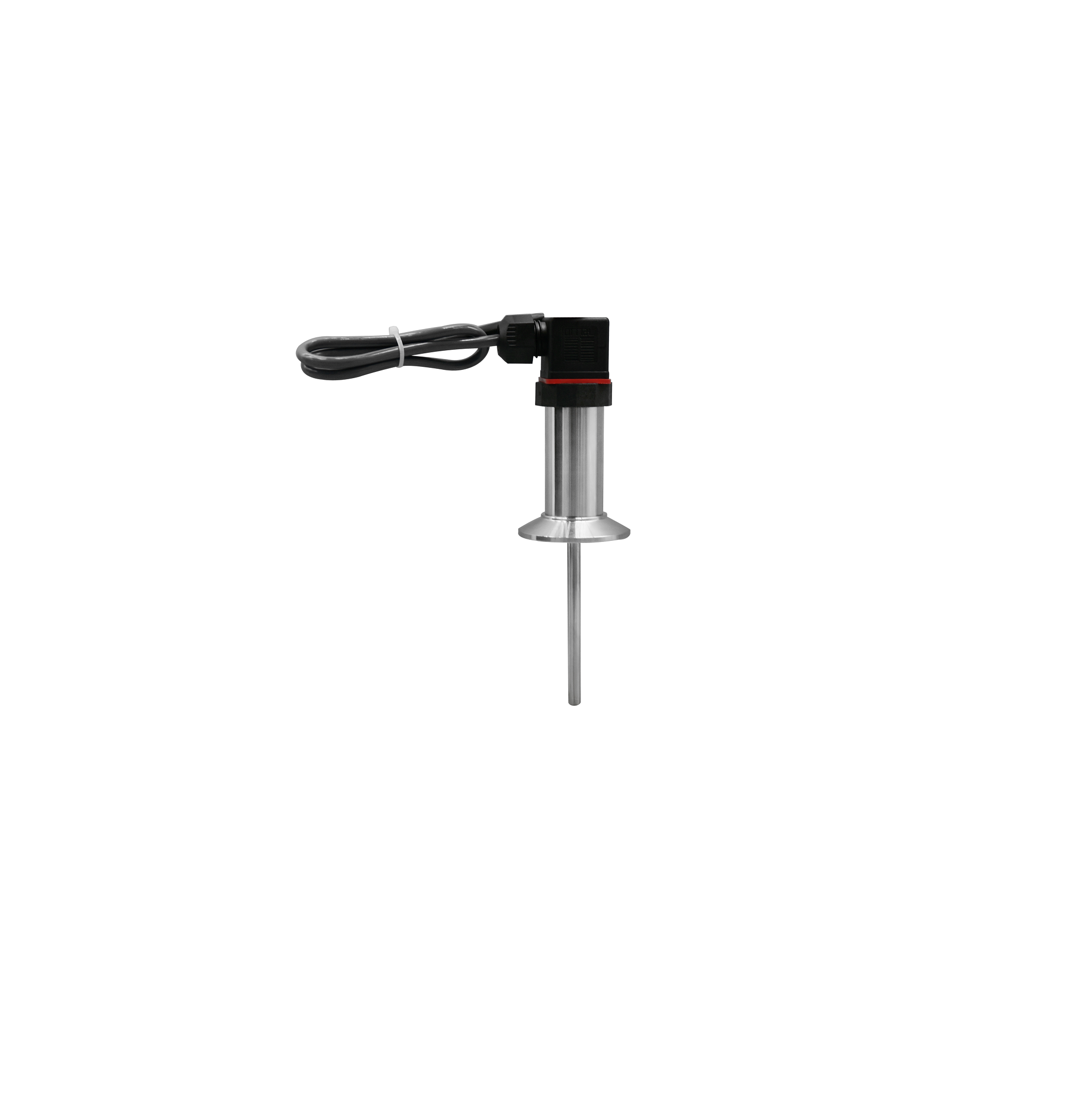
The integrated digital temperature transmitter is an instrument that converts industrial thermocouple and thermoresistance signals into standard output signals. It adopts a two-wire transmission mode and can be directly installed in the junction box of thermocouples and thermoresistors. It has features such as shock resistance, moisture resistance, and strong anti-interference ability, and is widely used in fields such as metallurgy, petroleum, and chemical industry.
Product Features
1. It adopts a silicone rubber or epoxy resin sealing structure, thus being resistant to shock and moisture and suitable for installation and use in harsh on-site environments.
2. It is installed in the junction boxes of thermocouples and thermoresistors for on-site use. It directly outputs 4 - 20mA and 0 - 10mA signals for transmission. This not only saves the expensive cost of compensation wires but also enhances the anti-interference ability of the signal during long-distance transmission.
3. The thermocouple transmitter has the function of automatically compensating for the cold junction temperature.
4. High precision, low power consumption, wide operating temperature range, and stable and reliable performance.
5. Wide application range. It can be integrated with thermocouples and thermoresistors to form an on-site installation structure, and can also be used as a functional module in detection equipment and on the instrument panel.
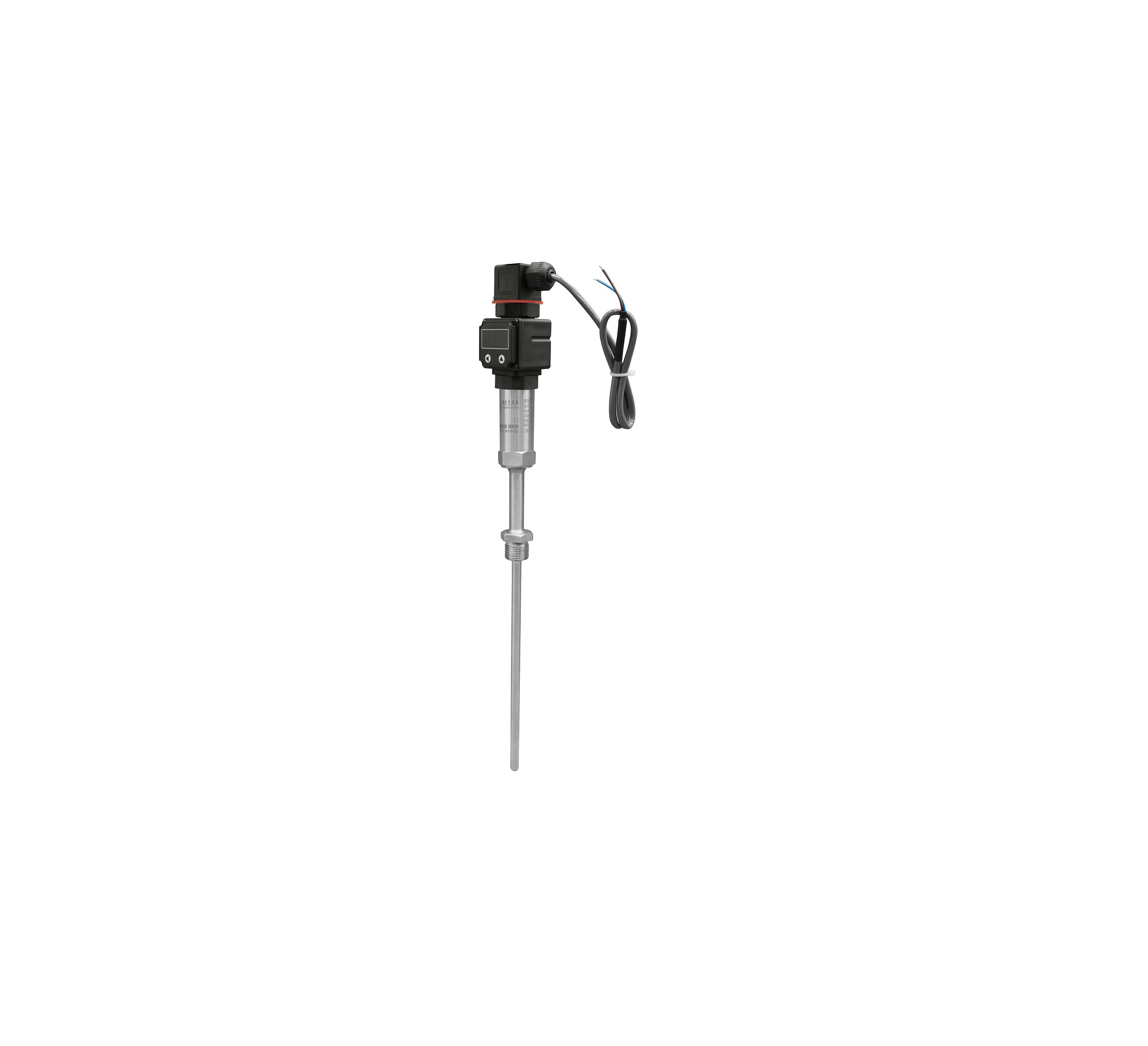
6. The intelligent temperature transmitter can be adjusted according to the actual needs of the user to change the display direction. It can also display the measured medium temperature, the change in sensor value, the output current, and the percentage.
2. It is installed in the junction boxes of thermocouples and thermoresistors for on-site use. It directly outputs 4 - 20mA and 0 - 10mA signals for transmission. This not only saves the expensive cost of compensation wires but also enhances the anti-interference ability of the signal during long-distance transmission.
3. The thermocouple transmitter has the function of automatically compensating for the cold junction temperature.
4. High precision, low power consumption, wide operating temperature range, and stable and reliable performance.
5. Wide application range. It can be integrated with thermocouples and thermoresistors to form an on-site installation structure, and can also be used as a functional module in detection equipment and on the instrument panel.
6. The intelligent temperature transmitter can be adjusted according to the actual needs of the user to change the display direction. It can also display the measured medium temperature, the change in sensor value, the output current, and the percentage.
Working principle
The thermocouple or thermoresistor sensor converts the measured temperature into an electrical signal, and then this signal is sent to the input network of the transmitter. This input network includes circuits such as zero adjustment and thermocouple compensation. After zero adjustment, the signal is input to the operational amplifier for signal amplification. The amplified signal is processed by a V/I converter and output as a 4 - 20mA DC current; the other path is processed by an A/D converter and sent to the display head. The linearization circuit of the transmitter has two types, both using feedback mode. For the thermocouple sensor, the multi-segment linear approximation method is used, and the non-linear correction circuit is employed for correction. For the thermoresistor sensor, the multi-segment linear approximation method is used for correction. There are two display modes for the integrated digital display temperature transmitter. The LCD display temperature transmitter outputs in two-wire system, and the LED display temperature transmitter outputs in three-wire system.
The thermocouple or thermoresistor sensor converts the measured temperature into an electrical signal, and then this signal is sent to the input network of the transmitter. This input network includes circuits such as zero adjustment and thermocouple compensation. After zero adjustment, the signal is input to the operational amplifier for signal amplification. The amplified signal is processed by a V/I converter and output as a 4 - 20mA DC current; the other path is processed by an A/D converter and sent to the display head. The linearization circuit of the transmitter has two types, both using feedback mode. For the thermocouple sensor, the multi-segment linear approximation method is used, and the non-linear correction circuit is employed for correction. For the thermoresistor sensor, the multi-segment linear approximation method is used for correction. There are two display modes for the integrated digital display temperature transmitter. The LCD display temperature transmitter outputs in two-wire system, and the LED display temperature transmitter outputs in three-wire system.