

Essential details
Quantity(pieces):1
MOQ:1
Product Introduction
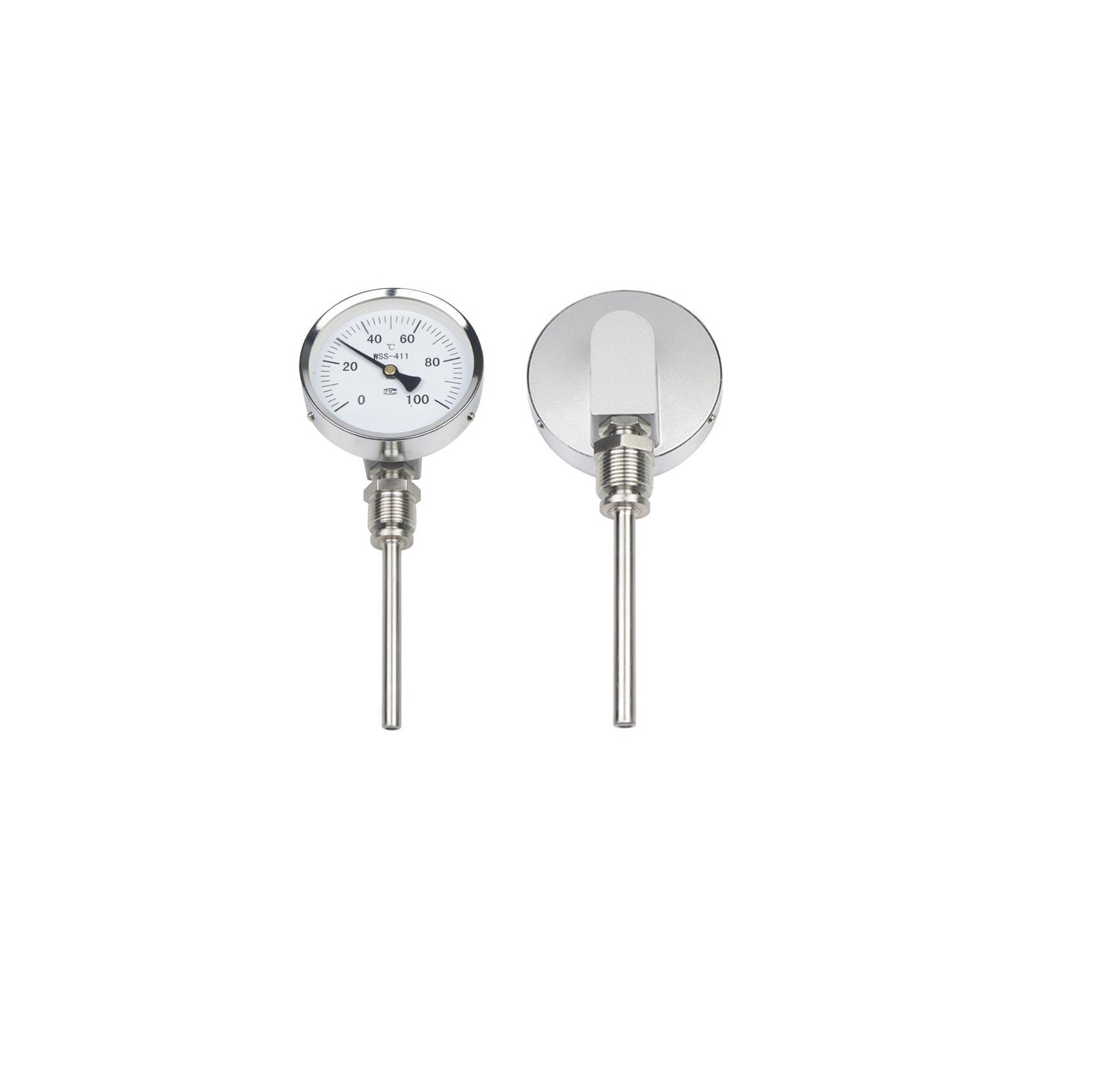
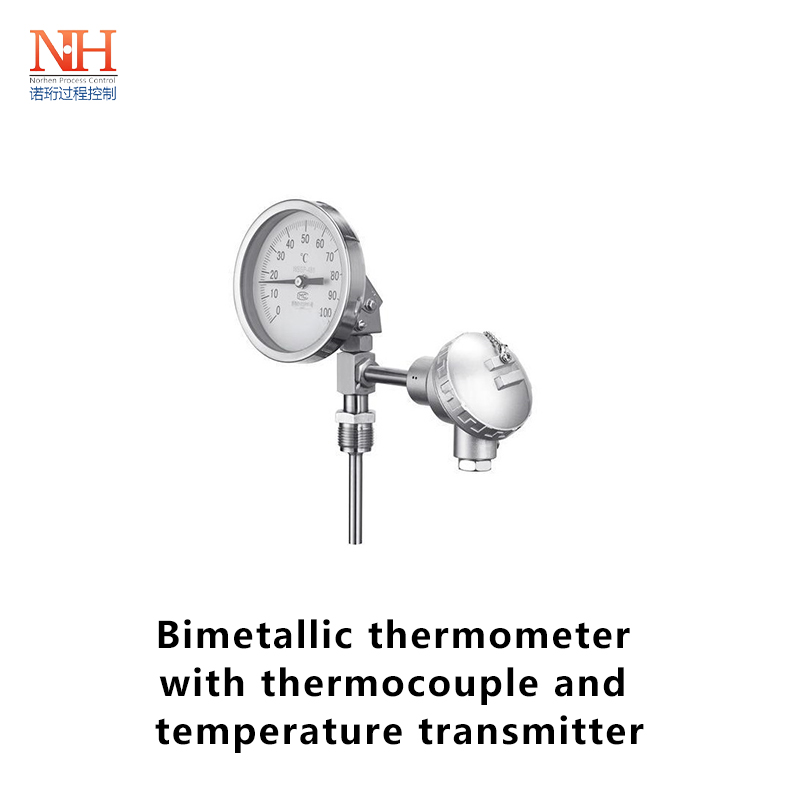
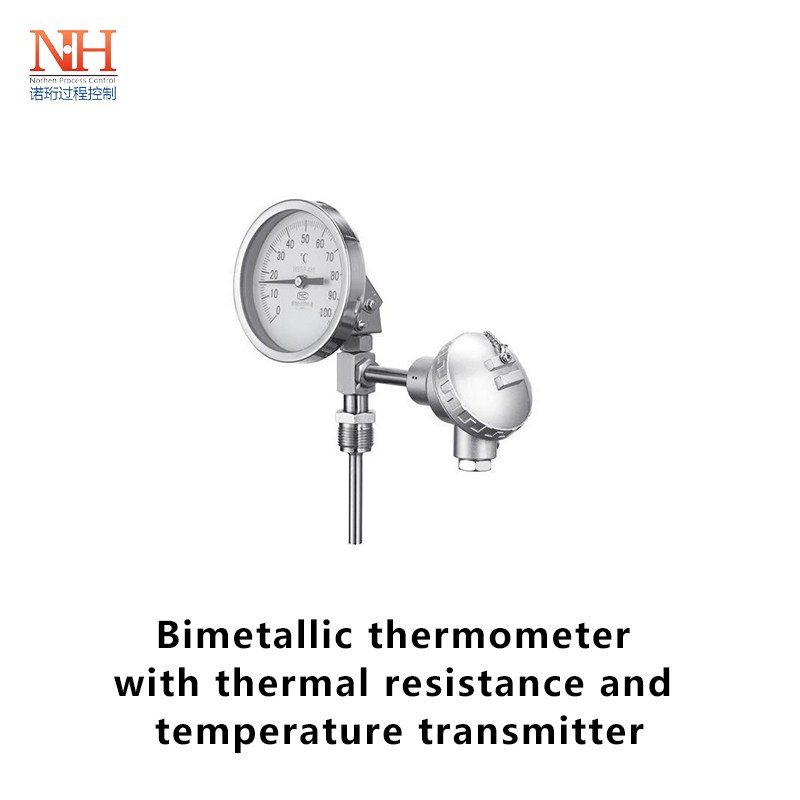
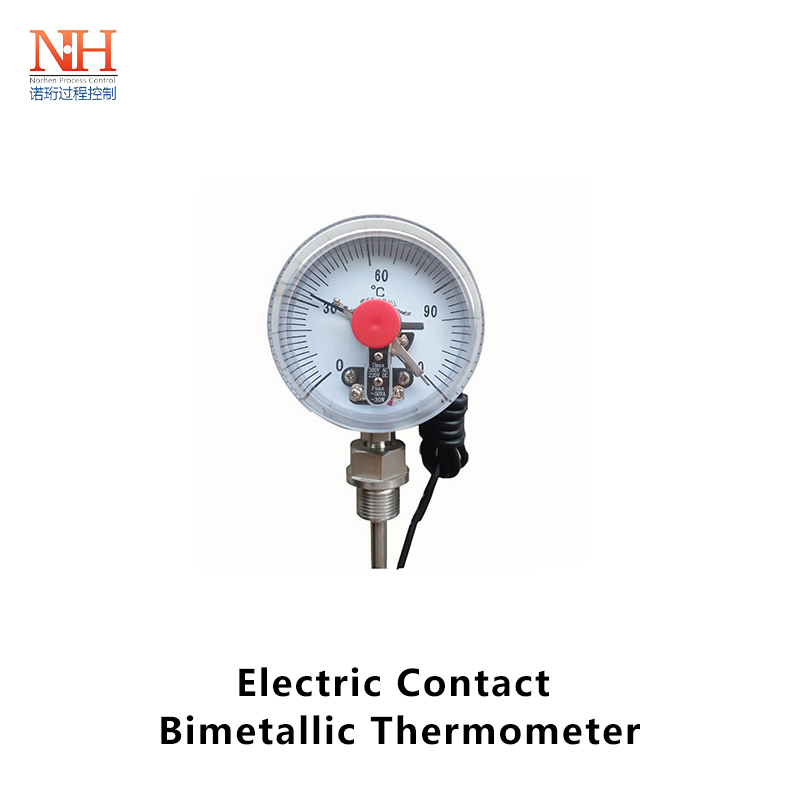
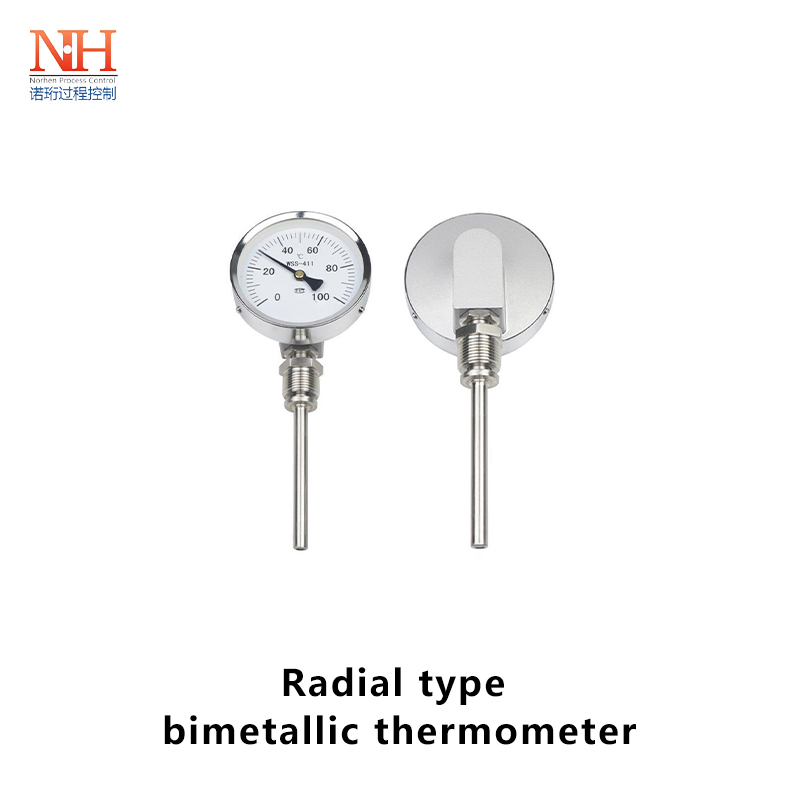
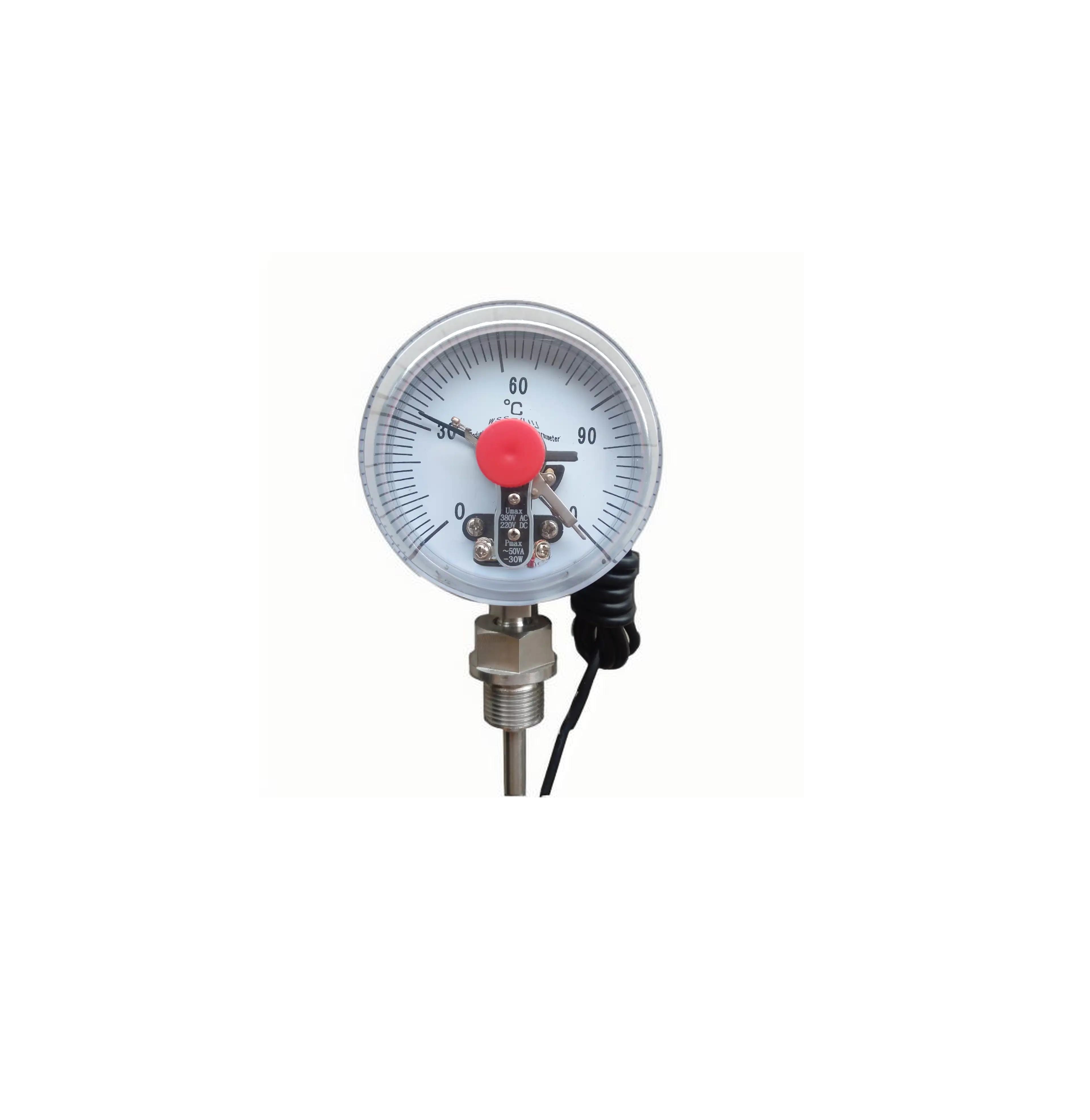
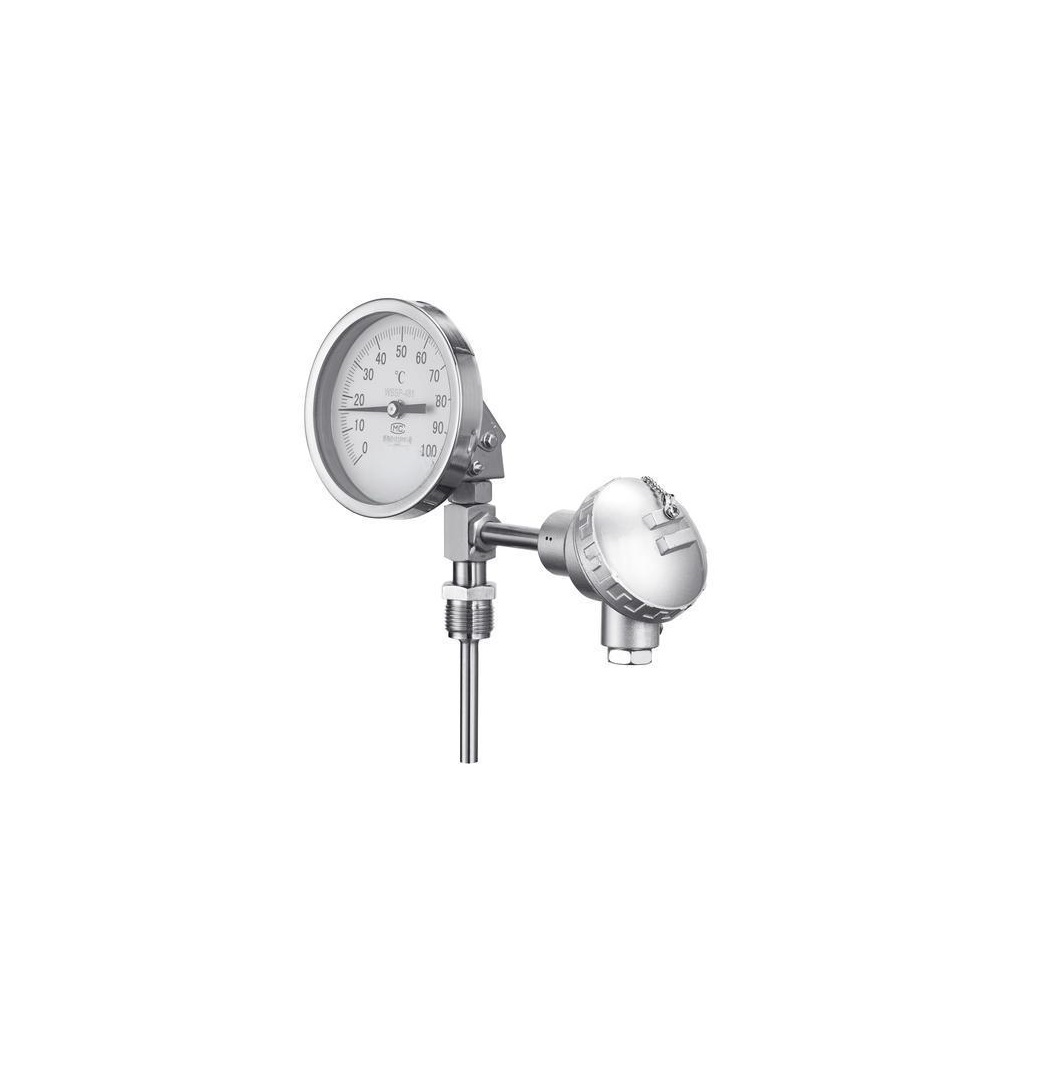
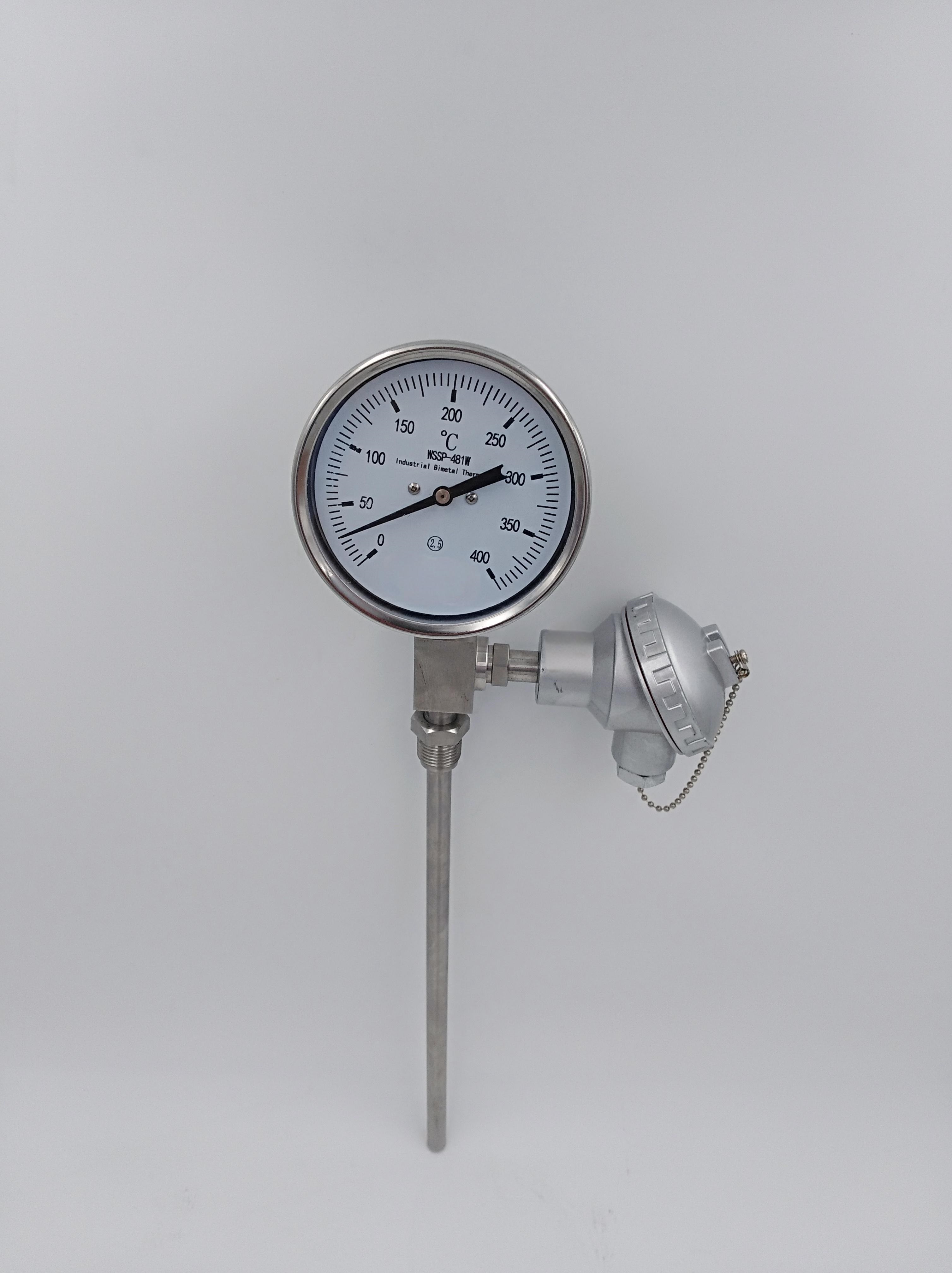
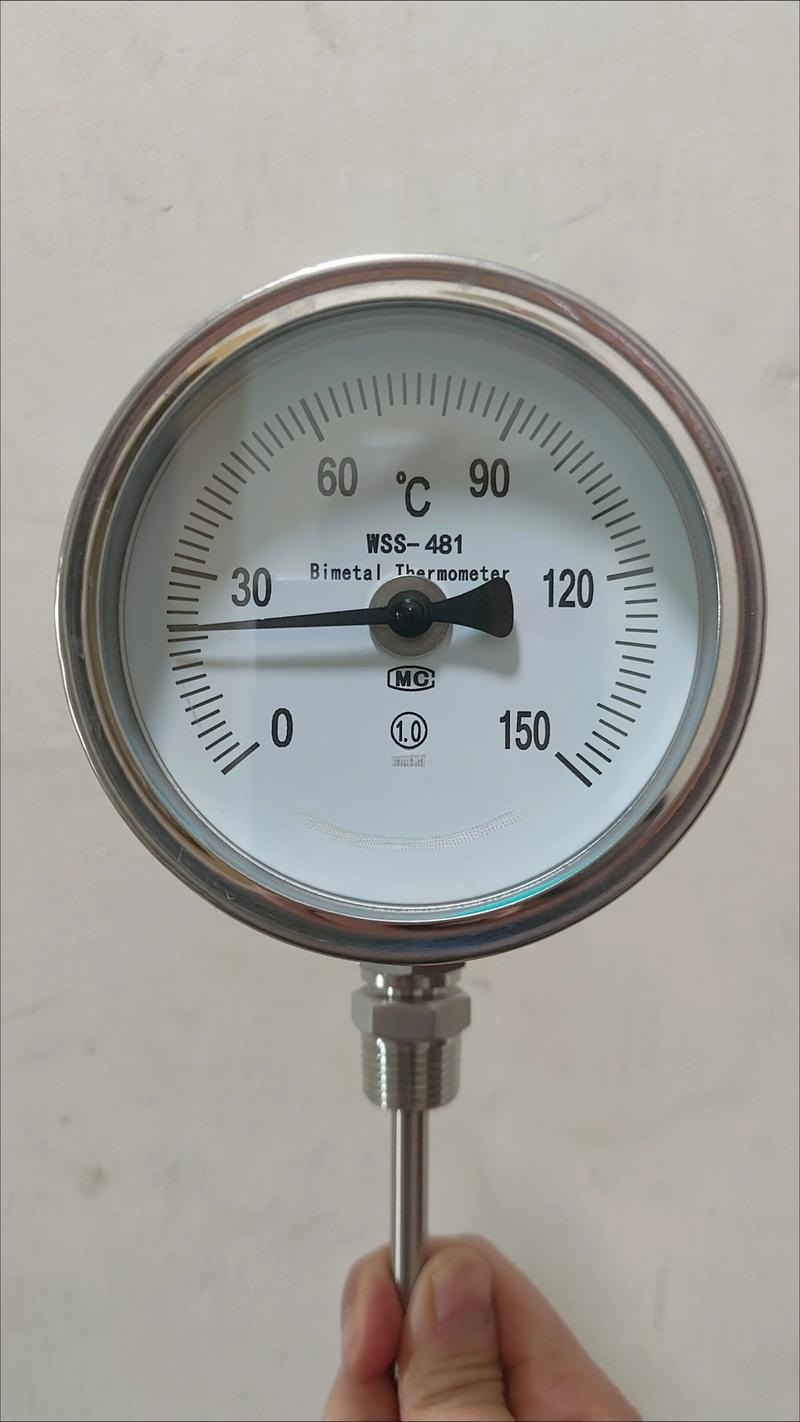
The bimetallic thermometeris an industrial temperature control instrument that combines temperature measurement and automatic control functions. Based on the principle of thermal expansion and contraction of bimetallic strips, it integrates an electrical contact device on the basis of the traditional bimetallic thermometer to achieve integration of temperature measurement and over-limit alarm / temperature control. Its core structure includes bimetallic sensing strips (rolled with different thermal expansion coefficients), stainless steel protective tubes, precise pointer mechanism, and built-in electrical contacts (upper limit / lower limit). During operation, the sensing strip deforms with temperature, and the pointer deflects through the transmission shaft. When the pointer touches the electrical contact, a switch signal is output, which can link the equipment to start or stop or trigger an alarm, without the need for an external complex control system.
Product features
·Integrated Functionality: Combines temperature measurement and automatic control into one system. No need for an external complex control system. Through the built-in upper/lower limit electrical contacts, it can directly output switch signals to achieve temperature over-limit alarm or linked equipment start/stop, simplifying the temperature control process.
·No continuous power supply requirement: Based on the principle of thermal expansion and contraction of bimetallic strips for temperature measurement, only the signal output stage requires a low-voltage power supply, with low energy consumption. It is suitable for industrial scenarios without a continuous strong power supply and avoids the power failure issue of pure electronic temperature measurement instruments.
· Strong structural weather resistance: The core components are protected by 304/316L stainless steel pipes, which are resistant to vibration and acid-base corrosion. They can adapt to harsh working conditions such as those found in chemical and mechanical industries, which are characterized by high dust and humidity. The stability of the structure is high over the long term.
·Wide measurement range adaptation: Covers a temperature range of -80℃ to 600℃, with an accuracy of 1.0-2.5 grades. It can meet the medium and low-temperature monitoring requirements of various scenarios such as pipelines, storage tanks, and heating equipment, and does not require frequent replacement of the instrument.
· Easy installation and operation: Continuing the simple structure of the bimetallic thermometer, it does not require complex wiring or debugging. It can be directly installed in accordance with the equipment interface, with clear dial readings and low maintenance costs in the future.
·Integrated Functionality: Combines temperature measurement and automatic control into one system. No need for an external complex control system. Through the built-in upper/lower limit electrical contacts, it can directly output switch signals to achieve temperature over-limit alarm or linked equipment start/stop, simplifying the temperature control process.
·No continuous power supply requirement: Based on the principle of thermal expansion and contraction of bimetallic strips for temperature measurement, only the signal output stage requires a low-voltage power supply, with low energy consumption. It is suitable for industrial scenarios without a continuous strong power supply and avoids the power failure issue of pure electronic temperature measurement instruments.
· Strong structural weather resistance: The core components are protected by 304/316L stainless steel pipes, which are resistant to vibration and acid-base corrosion. They can adapt to harsh working conditions such as those found in chemical and mechanical industries, which are characterized by high dust and humidity. The stability of the structure is high over the long term.
·Wide measurement range adaptation: Covers a temperature range of -80℃ to 600℃, with an accuracy of 1.0-2.5 grades. It can meet the medium and low-temperature monitoring requirements of various scenarios such as pipelines, storage tanks, and heating equipment, and does not require frequent replacement of the instrument.
· Easy installation and operation: Continuing the simple structure of the bimetallic thermometer, it does not require complex wiring or debugging. It can be directly installed in accordance with the equipment interface, with clear dial readings and low maintenance costs in the future.