
Essential details
Quantity(pieces):1
MOQ:1
Lead time:Lead time is subject to confirmation, depends on order quantity and specifications.
Shipping:Express Delivery
Product Introduction
Product Information
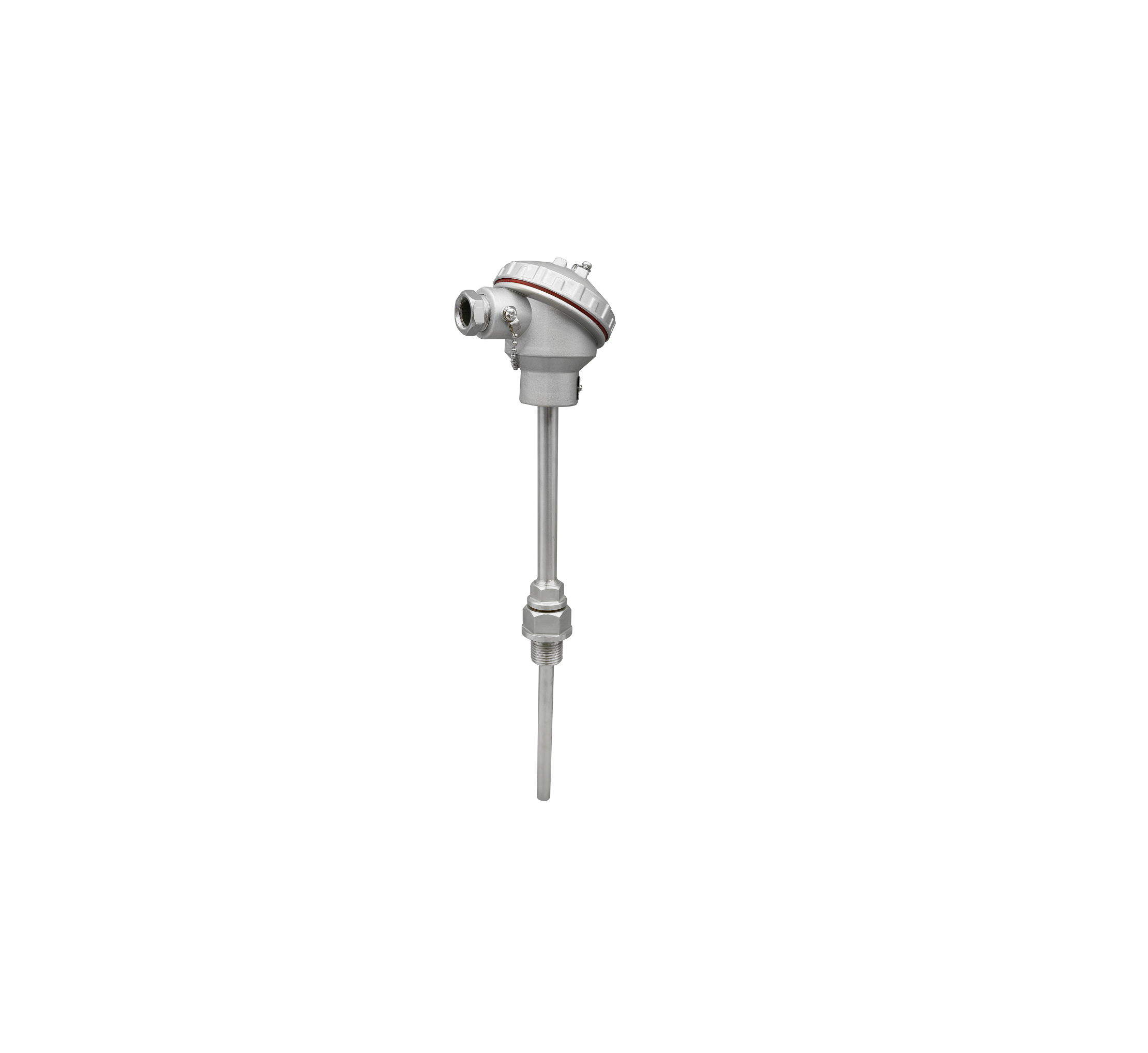
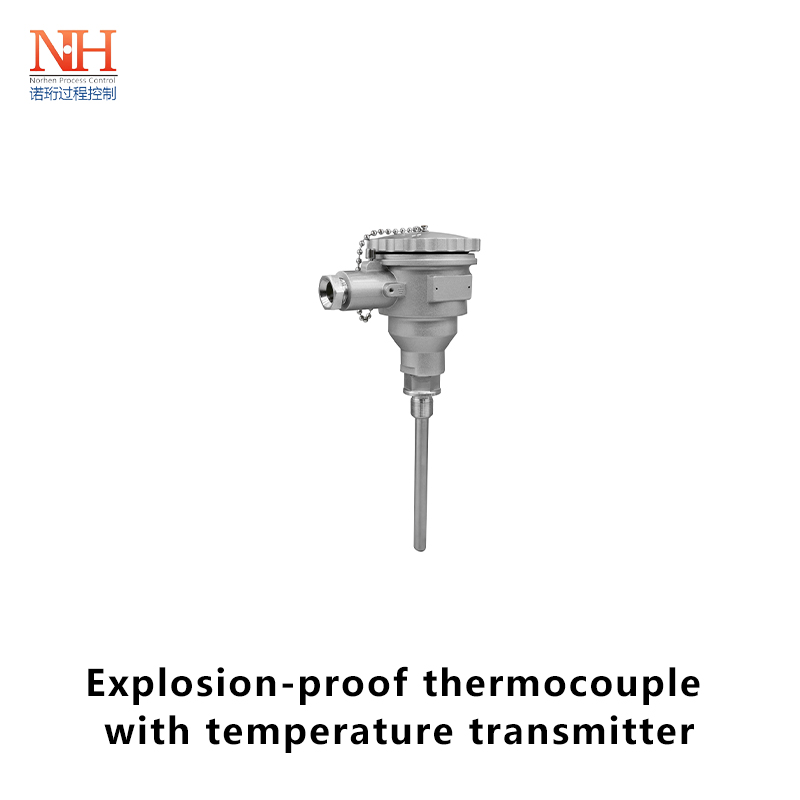
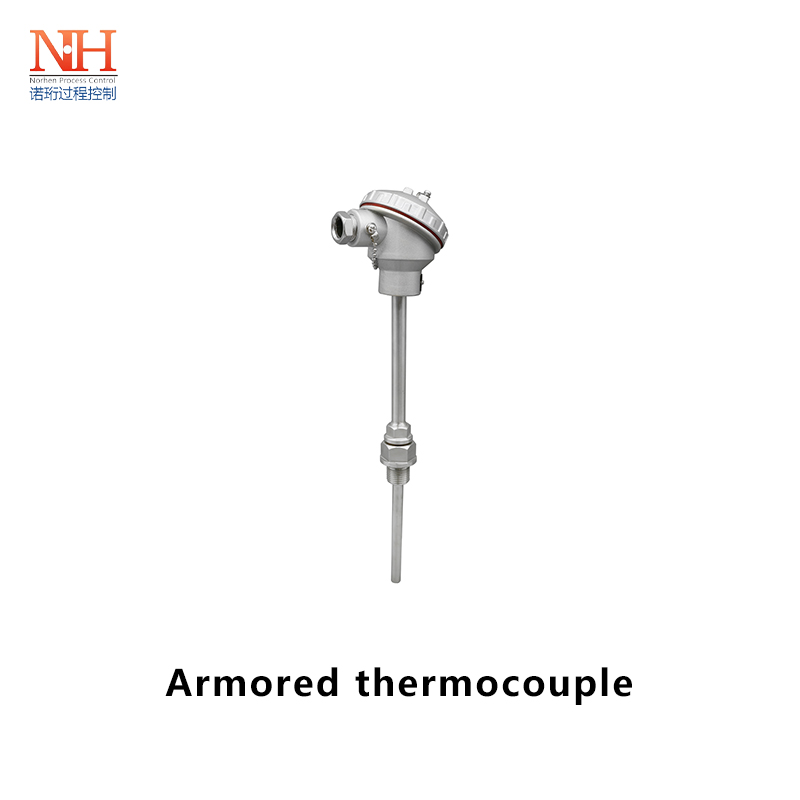
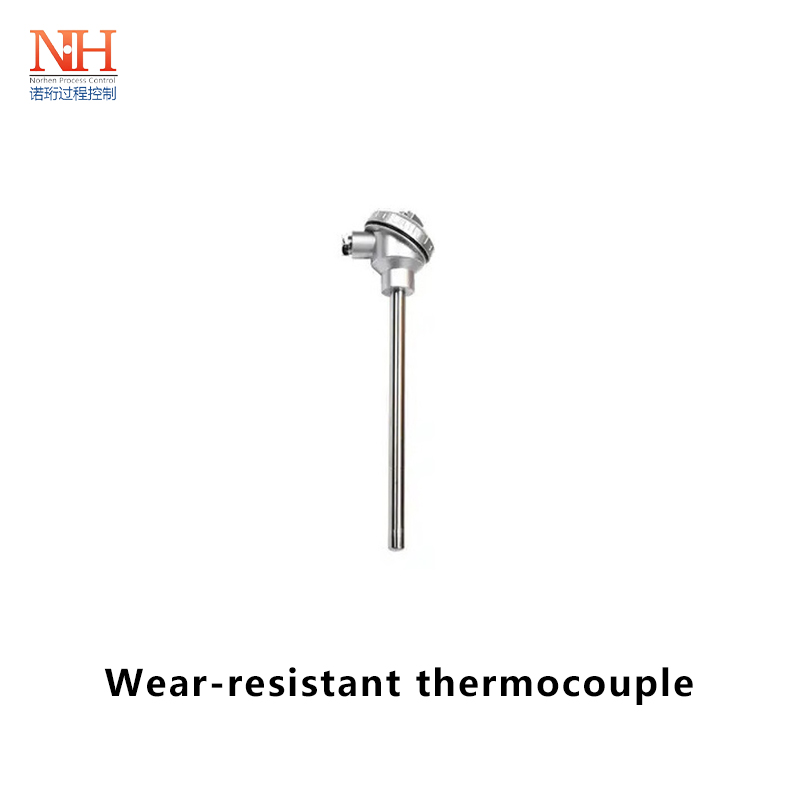
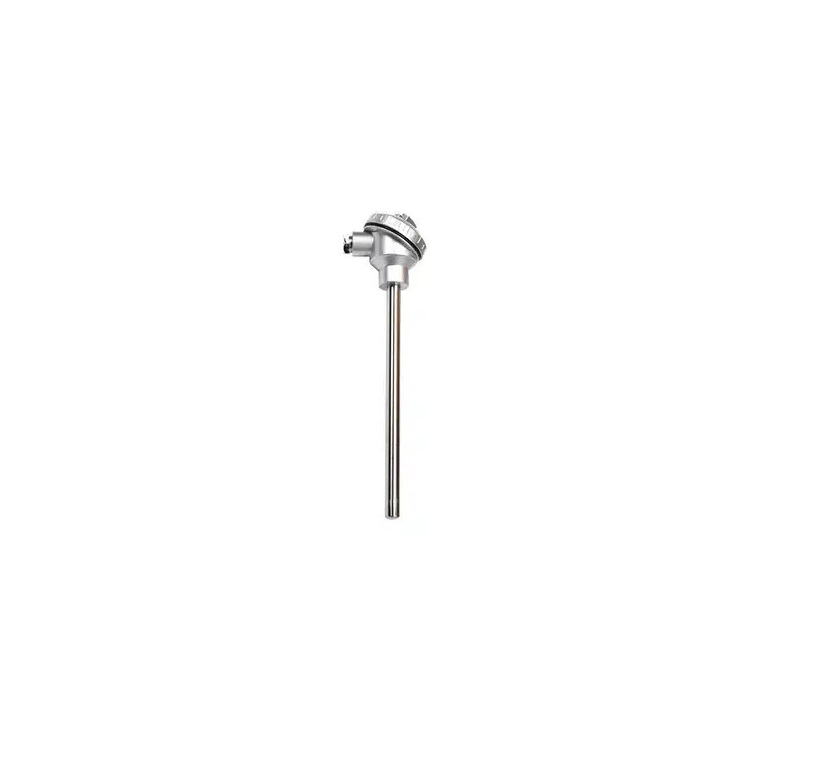
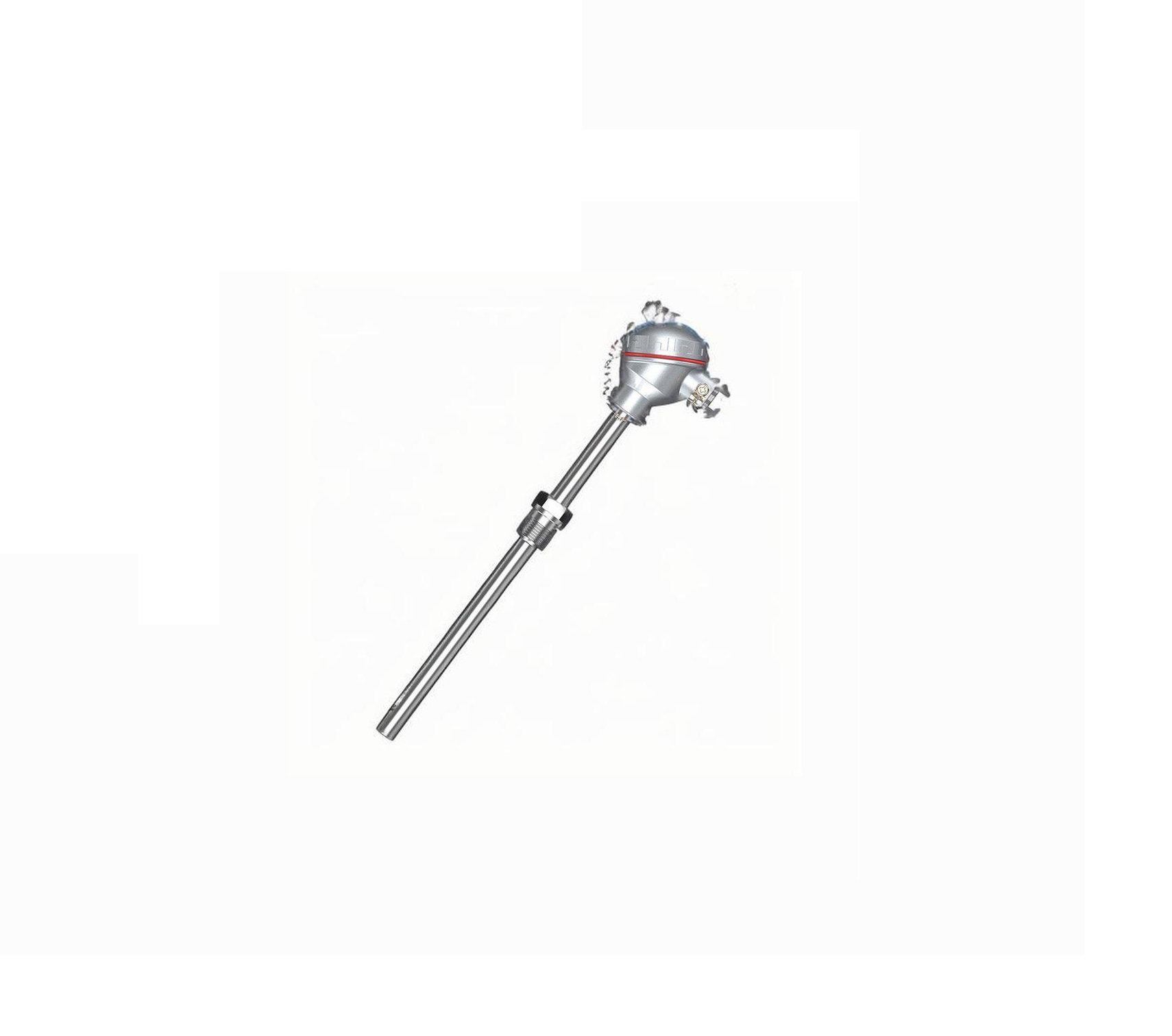
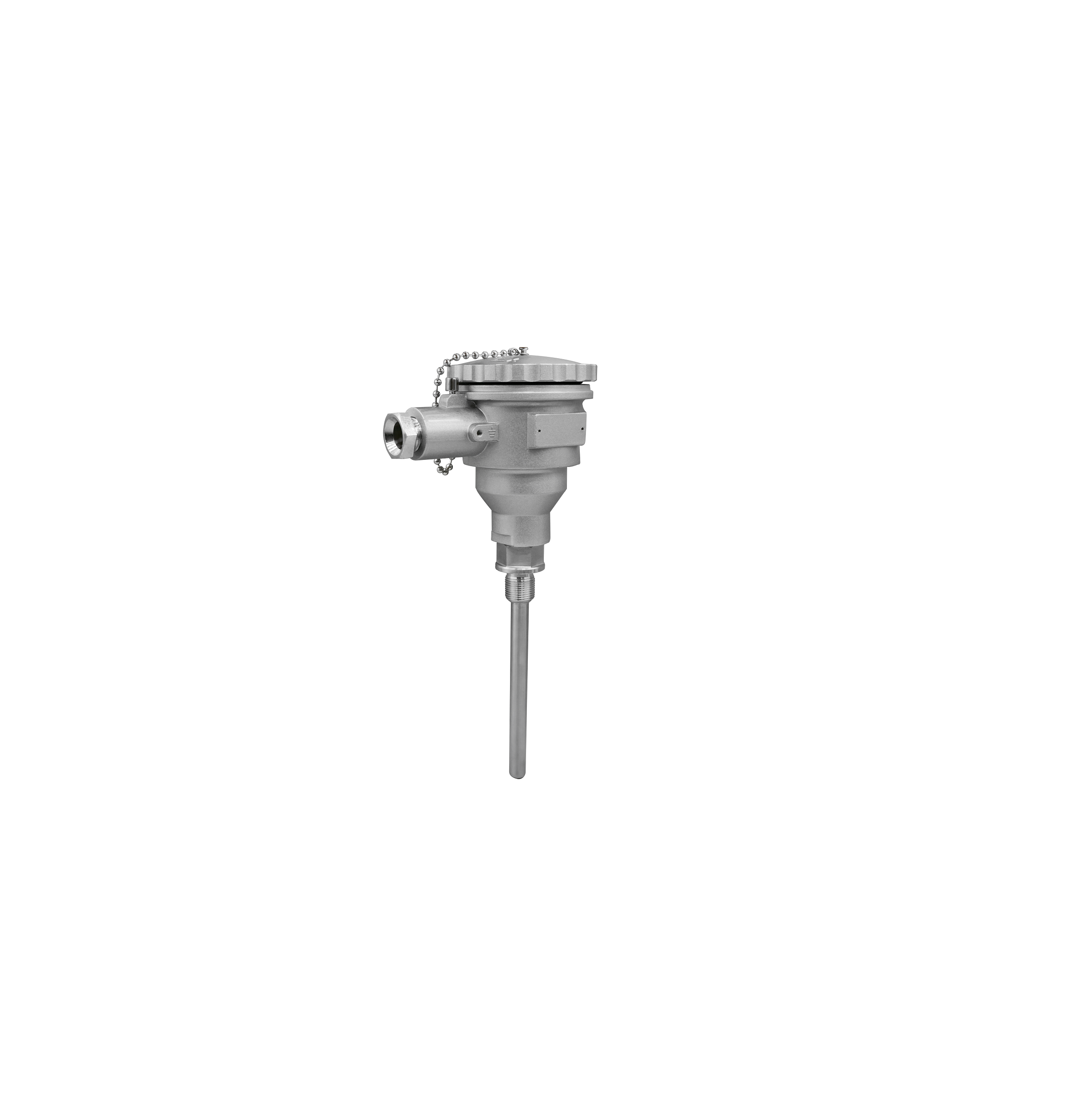
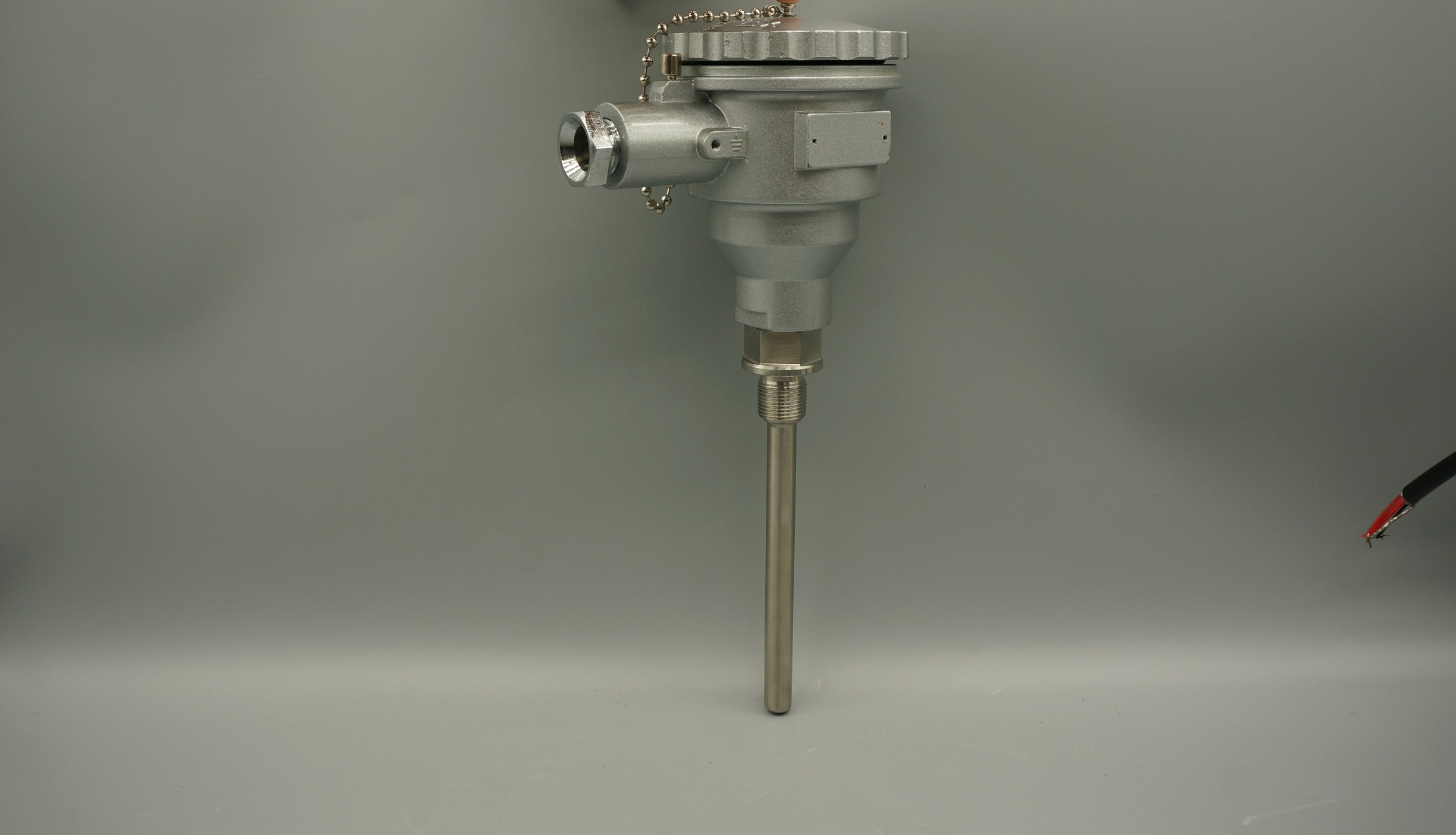
Thermocouples, as temperature measurement sensors, are usually used in conjunction with temperature transmitters, regulators, and display instruments to form process control systems. They are employed to directly measure or control the temperatures of various fluid, steam, and gas media, as well as solid surfaces within the 0 - 1800℃ range during production processes.
Thermocouples, as temperature measurement sensors, are usually used in conjunction with temperature transmitters, regulators, and display instruments to form process control systems. They are employed to directly measure or control the temperatures of various fluid, steam, and gas media, as well as solid surfaces within the 0 - 1800℃ range during production processes.
Product Application
It is usually used in conjunction with display instruments, recording instruments, electronic computers, etc. It directly measures the temperatures of liquids, gases, and vapors within the range of 0℃ - 1300℃, as well as the surface temperatures of solids.
It is usually used in conjunction with display instruments, recording instruments, electronic computers, etc. It directly measures the temperatures of liquids, gases, and vapors within the range of 0℃ - 1300℃, as well as the surface temperatures of solids.
Working Principle
The thermocouple measures temperature based on the "thermoelectric effect". Its core structure consists of two different material conductive electrodes. One end of these electrodes is welded together to form the measurement end (placed in the temperature environment being measured), while the other end serves as the reference end (usually in a constant temperature environment or through a compensation circuit for temperature compensation). When there is a temperature difference between the measurement end and the reference end, a thermoelectric potential will be generated between the two different conductors. The magnitude of this thermoelectric potential is in a regular correspondence with the temperature difference between the two ends. The generated thermoelectric potential is transmitted through a dedicated wire to the matching working instrument. The signal processing module inside the instrument converts the thermoelectric potential signal into the corresponding temperature value and presents it in an intuitive way (such as digital display, pointer deflection), thereby enabling real-time reading and monitoring of the temperature of the measured object.
The thermocouple measures temperature based on the "thermoelectric effect". Its core structure consists of two different material conductive electrodes. One end of these electrodes is welded together to form the measurement end (placed in the temperature environment being measured), while the other end serves as the reference end (usually in a constant temperature environment or through a compensation circuit for temperature compensation). When there is a temperature difference between the measurement end and the reference end, a thermoelectric potential will be generated between the two different conductors. The magnitude of this thermoelectric potential is in a regular correspondence with the temperature difference between the two ends. The generated thermoelectric potential is transmitted through a dedicated wire to the matching working instrument. The signal processing module inside the instrument converts the thermoelectric potential signal into the corresponding temperature value and presents it in an intuitive way (such as digital display, pointer deflection), thereby enabling real-time reading and monitoring of the temperature of the measured object.
Product features:
- Short thermal response time, reducing dynamic errors;
- Flexible installation and use;
- Wide measurement range;
- High mechanical strength, excellent pressure resistance;
- Temperature measurement range and tolerance.
- Short thermal response time, reducing dynamic errors;
- Flexible installation and use;
- Wide measurement range;
- High mechanical strength, excellent pressure resistance;
- Temperature measurement range and tolerance.